
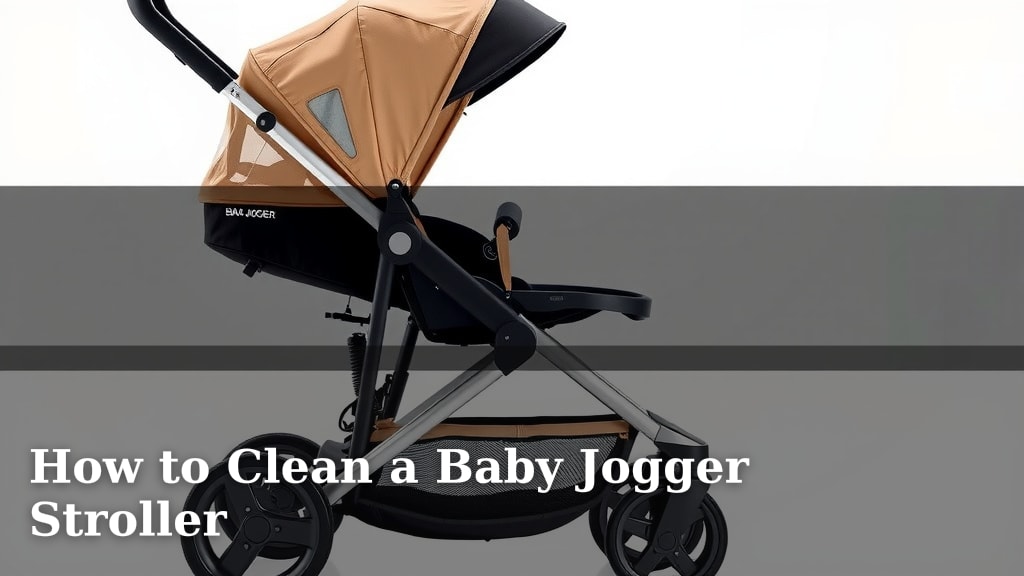
How to Clean a Baby Jogger Stroller
The easiest way to clean your baby jogger stroller is with a gentle soap and water solution, followed by thorough drying. You’ll want to tackle fabric stains, clean the wheels, and wipe down the frame regularly. Keeping your jogger clean ensures a safer and more pleasant ride for your little one.
A clean stroller isn’t just about looks; it’s about hygiene and stroller longevity. You’ve likely encountered spilled snacks, muddy trails, or unexpected weather on your adventures. Addressing these messes promptly prevents them from becoming permanent stains or causing damage. Think of it as a little TLC for your trusty sidekick.
- First, remove loose debris.
- Next, clean fabric and frame.
- Don’t forget to clean the wheels.
- Always allow it to dry completely.
Ready to get your jogger looking and feeling fresh? Let’s walk through exactly how to make your baby jogger shine, step by step.
Keeping Your Baby Jogger Pristine: A Step-by-Step Guide
You’ve got a baby jogger for a reason – adventure! But those adventures can get messy. Cleaning your jogger regularly means happier, healthier rides for your little one. It also helps your stroller last longer. Let’s break down how to get it sparkling clean.
The Essential Cleaning Toolkit
Before you start, gather your supplies. Having everything ready makes the job much smoother. You’ll want common household items. This isn’t rocket science, just good old-fashioned cleaning!
What You’ll Need for the Job
- Mild dish soap or baby-safe detergent
- Two clean buckets
- Soft cloths or microfiber towels
- A soft-bristled brush (like an old toothbrush)
- A sponge
- A hose or spray bottle with clean water
- Optional: A mild stain remover for tough spots
Tackling Fabric Stains and Odors
The fabric is where most of the visible messes happen. Spilled juice boxes, dropped crackers, and maybe even a surprise diaper leak can leave their mark. You want to address these quickly.
Spot Cleaning Everyday Grime
For minor spills or dirt, a simple spot clean is often all you need. Mix a small amount of mild dish soap with warm water in one bucket. Dampen a soft cloth or sponge with the soapy water. Gently rub the stained area in a circular motion. Rinse the cloth frequently with clean water from the second bucket. Blot the area with a clean, damp cloth to remove soap residue. Many cleaning guides suggest testing any cleaner on an inconspicuous spot first (CDC).
Deep Cleaning the Seat and Canopy
If the whole seat or canopy needs a refresh, you can do a more thorough wash. Most fabrics are spot-cleanable, but check your stroller’s manual for specific instructions. Some may even allow for hand washing or a gentle machine cycle. Always use a mild detergent and cold water. Avoid harsh chemicals or bleach. These can damage the fabric and be harmful to your baby.
After washing, rinse thoroughly to remove all soap. It’s essential to get all the detergent out. Leftover soap can irritate your baby’s skin. You can use a clean cloth dipped in plain water to wipe away any remaining suds. Don’t wring the fabric; gently press out excess water.
Dealing with Stubborn Stains
For tougher stains, like grass or marker, you might need a bit more power. Research indicates that a paste of baking soda and water can work wonders. Apply the paste to the stain and let it sit for about 15-30 minutes. Gently scrub with a soft brush, then wipe clean with a damp cloth. Rinse thoroughly. Always follow up by blotting with a clean, wet cloth to ensure all residue is gone.
Cleaning the Stroller Frame and Chassis
The frame might not get as dirty as the fabric, but it still needs attention. Mud, dust, and general wear can accumulate here too. A clean frame contributes to the stroller’s overall appearance and function.
Wiping Down the Metal or Plastic Parts
Use the same mild soap and water solution you used for the fabric to clean the frame. A sponge or soft cloth works well here. Wipe down all the metal or plastic parts, paying attention to any nooks and crannies. For areas with dirt buildup, a soft-bristled brush can help loosen it. Rinse by wiping with a clean, damp cloth. Dry thoroughly with a soft towel to prevent water spots or rust.
Maintaining Moving Parts
Check the stroller’s joints, hinges, and folding mechanisms. These can collect dirt and debris. Use a damp cloth to clean them. If they feel stiff, you might need to consult your manual about lubrication. Some manufacturers recommend specific lubricants. Generally, a tiny amount of silicone-based lubricant can help. Avoid oil-based lubricants, as they can attract more dirt.
Restoring the Wheels to Their Former Glory
The wheels are your jogger’s workhorses. They roll over everything – from smooth pavements to bumpy trails. Keeping them clean is vital for smooth operation and hygiene.
Removing Dirt and Debris
Start by picking out any obvious debris like pebbles or twigs. You can use your fingers or a small tool, but be careful not to scratch the wheel. Use a damp cloth or sponge with your mild soap solution to scrub the wheels. Get into the tire treads to remove embedded dirt. For really stubborn mud, a soft brush is your best friend.
Ensuring Smooth Rolling
After cleaning, rinse the wheels thoroughly with clean water. Make sure no soap residue remains in the spokes or around the bearings. Spin each wheel to check for smooth rotation. If a wheel still feels rough or wobbly, it might indicate a deeper issue. Check for any damage to the tire or rim. For many common strollers, the wheels are designed to be easily removed for a more thorough cleaning.
The Crucial Drying Process
This step is often overlooked but is incredibly important. Moisture left behind can lead to mold, mildew, and unpleasant odors. Plus, a damp stroller is just not fun to use.
Air Drying for Best Results
After cleaning and rinsing, you want to let your stroller air dry completely. Find a spot with good air circulation. You can prop the stroller open to allow air to reach all parts. If you’re drying indoors, avoid direct heat sources like radiators. If drying outdoors, make sure it’s a warm, dry day and that the stroller is protected from direct sunlight for prolonged periods, which can fade fabrics.
Towel Drying for Speed
While air drying is ideal, you can speed things up with towels. Use clean, dry microfiber towels to pat down all the fabric and frame components. Pay extra attention to seams and crevices where water tends to linger. Ensure all parts are dry to the touch before folding or storing the stroller. Proper drying prevents mildew, which can be tough to remove later.
Your Baby Jogger Cleaning Checklist
Feeling ready to tackle the mess? Here’s a quick rundown to keep your jogger looking its best:
- Remove all loose debris and trash.
- Spot clean fabric stains with soap and water.
- Wipe down the frame and plastic parts.
- Scrub the wheels to remove dirt and grime.
- Rinse all cleaned components thoroughly.
- Allow the stroller to air dry completely.
Conclusion
You’ve now got a clear path to a sparkling clean baby jogger. We’ve walked through tackling fabric stains, shining up the frame, and getting those wheels rolling smoothly again. Remember, consistent cleaning isn’t just about aesthetics; it’s about ensuring a safe, hygienic, and enjoyable experience for both you and your little adventurer. By following these simple steps, you’ll extend the life of your trusty jogger and keep it ready for all your future journeys. So, grab your supplies and give your stroller the TLC it deserves!
Frequently Asked Questions
How often should I clean my baby jogger stroller?
For daily use, a quick wipe-down of the frame and spot cleaning any spills is a good idea. A more thorough cleaning of the fabric and wheels is recommended every 1-2 months, or immediately after encountering significant dirt or messes. This keeps your jogger in top condition.
Can I machine wash my baby jogger stroller fabric?
Always check your stroller’s manual first. While some stroller fabrics are machine washable on a delicate cycle with cold water, many are spot-clean only. Using harsh chemicals or high heat in a machine can damage the material.
What’s the best way to remove mildew from stroller fabric?
For mildew, try a solution of one part white vinegar to two parts water. Gently scrub the affected area with a soft brush or cloth. Rinse thoroughly with clean water and allow the fabric to air dry completely. Ensure good ventilation to prevent recurrence.
My stroller wheels feel sticky. How can I fix this?
Sticky wheels are often due to dirt and grime buildup. Clean them thoroughly with soap and water, paying attention to the wheel bearings. If they still feel sticky, consult your stroller manual. Some models may require a specific lubricant for the wheel mechanism.
Is it safe to use regular household cleaners on my stroller?
It’s best to stick with mild dish soap or baby-safe detergents. Regular household cleaners can contain harsh chemicals that may be harmful to your baby’s skin or damage the stroller’s materials. Always test any cleaner on an inconspicuous area first.



![10 Best Baby Bunting For Stroller [2026]](https://bestbabystrollerjudge.com/wp-content/uploads/2026/09/10-best-baby-bunting-for-stroller-2026-featured-768x432.jpg)