
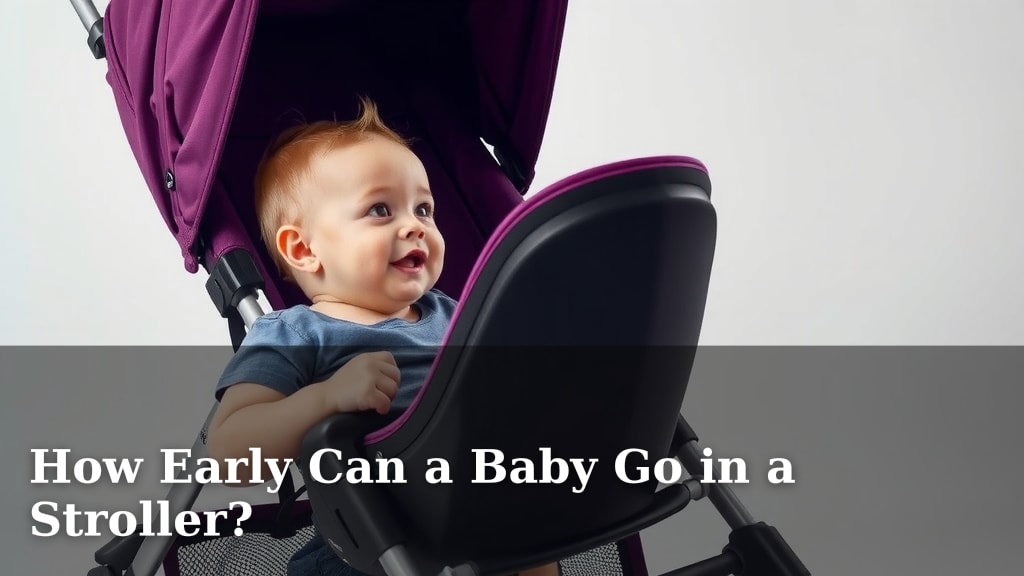
How Early Can a Baby Go in a Stroller?
Yes, you can usually put a newborn baby in a stroller right from birth, but there are some important safety considerations. Many modern strollers are designed to recline fully flat, offering a safe and comfortable bassinet-like experience for your little one. Always check your stroller’s manual for specific age or weight recommendations.
While technically possible from day one, it’s wise to understand the proper setup for newborns. This typically involves a stroller seat that lies completely flat or a compatible infant car seat or bassinet attachment. Ensuring your baby has adequate neck and head support is key to a safe stroll.
TL;DR:
- Newborns can go in strollers from birth.
- Look for strollers that recline flat or accept infant car seats.
- Proper head and neck support is essential.
- Always consult your stroller’s manual first.
- Check manufacturer guidelines for specific recommendations.
Let’s walk through exactly when and how your baby can safely enjoy stroller rides.
When Can Your Baby Safely Use a Stroller?
You’re probably eager to get out and about with your new little one. Many parents wonder, “How early can I actually put my baby in a stroller?” The good news is that you can typically use a stroller from birth, provided it’s set up correctly. This means ensuring your baby has the proper support. Think of it like a cozy nest for your newborn.
The key is understanding the specific requirements for newborns. They have delicate bodies that need special care. We’ll walk through what to look for to make sure your baby’s first stroller rides are safe and comfortable for both of you.
Setting Up Your Stroller for a Newborn
So, your baby is here! Congratulations! Now, about that stroller. You’ve likely seen strollers that look more like mini beds. That’s exactly what a newborn needs.
The Importance of a Flat Recline
Newborns can’t hold their heads up yet. Their necks are still quite wobbly. This means they need to lie completely flat. A stroller seat that reclines fully flat mimics a bassinet. This position is best for their developing spine. It also helps them breathe more easily.
Why is a flat surface so important? Imagine trying to sleep on a steep incline. It wouldn’t be very comfortable or safe, right? For a baby, it’s even more critical. A flat surface prevents their chin from falling onto their chest. This can restrict airflow. We found that most pediatric experts agree on this point (American Academy of Pediatrics).
When a Flat Recline Isn’t Enough: Car Seat & Bassinet Options
What if your stroller seat doesn’t lay completely flat? Don’t worry, there are other safe ways to use it from birth.
Using an Infant Car Seat
Many strollers are designed to be compatible with infant car seats. You simply click the car seat into the stroller frame. This is a very common and safe option for newborns. It allows you to keep your baby snug in their car seat. You can move them from the car to the stroller without disturbing them.
Remember to check that your specific car seat and stroller are certified to work together. Manufacturers usually list compatibility on their websites or in the product manuals. This ensures a secure fit.
Adding a Bassinet Attachment
Some stroller systems offer a bassinet as an accessory. This is essentially a portable bed that attaches to the stroller frame. It provides a plush, flat sleeping surface. It’s perfect for longer outings or when your baby might nap. This can be a wonderful way to keep your baby comfortable and upright. You can use it from day one.
What to Look For in a Newborn-Ready Stroller
Not all strollers are created equal, especially when it comes to newborns. Here’s a quick checklist to help you identify the right features.
- Full Recline: The seat should go completely flat, 180 degrees.
- Head and Neck Support: Look for a stroller that naturally cradles the head or has an insert.
- Five-Point Harness: This is standard safety for most strollers. It secures your baby comfortably.
- Car Seat Compatibility: If you plan to use a car seat, ensure it’s a match.
- Bassinet Option: Consider this if you’ll be out for extended periods.
You might be thinking, “Is this really necessary?” Yes, it is! A newborn’s body is still very fragile. Providing the right support is not just about comfort; it’s about safety and healthy development.
Safety First: Key Considerations for Stroller Use
Beyond the stroller’s setup, there are a few other safety tips to keep in mind. These are simple steps that make a big difference.
Always Check the Manual
Seriously, this is your **best friend** right now. Every stroller is different. The manufacturer’s manual will tell you exactly how to use it safely. It will list weight limits, age recommendations, and specific instructions for newborn use. Don’t guess; consult the guide!
Proper Harnessing Technique
Even in a flat-recline seat, your baby needs to be secured. Use the stroller’s harness system. A five-point harness is the standard. It keeps your baby snug and prevents them from sliding down. Make sure the straps are adjusted correctly. They should be snug but not too tight. You should be able to fit two fingers between the straps and your baby’s chest.
Supervision is Key
This might seem obvious, but it’s worth repeating. Never leave your baby unattended in a stroller. Always keep an eye on them, especially when you’re out and about. Things can change quickly. You want to be there to react if needed.
Weather and Environment
Consider the weather. Protect your baby from direct sun, wind, and extreme temperatures. Use a sunshade or canopy. Dress your baby appropriately for the conditions. We found that babies can overheat or get too cold quickly (Mayo Clinic).
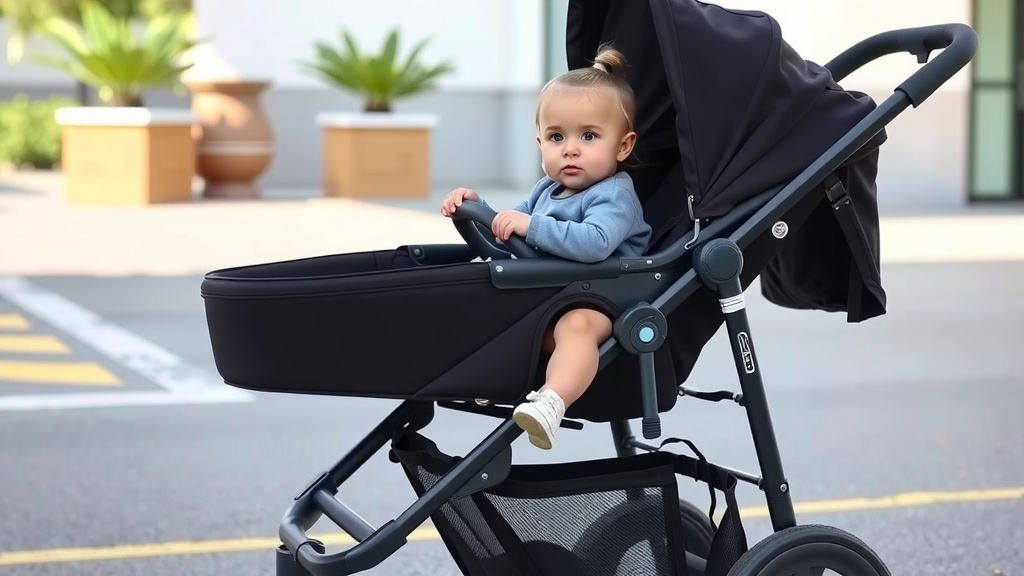
When Can a Baby Sit Up in a Stroller?
This is a question many parents ask as their baby grows. The transition from lying flat to sitting up isn’t a sudden switch. It depends on your baby’s development.
Signs Your Baby is Ready to Sit Up
Your baby is likely ready to sit up when they can hold their head up independently. They should also be able to sit with minimal support. This usually happens around 4 to 6 months of age. However, every baby develops at their own pace.
You’ll notice your baby trying to push themselves up. They might be able to sit unsupported for short periods. If your baby is showing these signs, you can start transitioning them to a more upright position. Always start with short periods and gradually increase the time.
Adjusting the Stroller Seat
Once your baby can sit up, you can adjust the stroller seat to a more upright position. You don’t need to go straight to sitting fully upright. Many strollers have multiple recline settings. You can find a comfortable angle that works for your baby. Keep using the harness to secure them properly.
As your baby gets stronger, they’ll enjoy seeing the world from a different perspective. This is an exciting stage! Just remember to continue checking their comfort and support.
A Quick Comparison: Stroller Types for Newborns
To help you visualize, here’s a simple table comparing the main options for newborns.
| Stroller Type | Newborn Suitability | Pros | Cons |
|---|---|---|---|
| Full Recline Stroller | Yes, if seat lays 180 degrees | Cozy, natural sleeping position. No transfers needed. | Can be bulky. Ensure it’s truly flat. |
| Travel System (with Car Seat) | Yes, for car seat use | Convenient for transitions. Familiar space for baby. | Car seat can be heavy. Limited tummy time. |
| Stroller with Bassinet | Yes | Luxurious flat surface. Great for longer outings. | An extra component to store. Can be costly. |
This table should give you a clearer picture of the choices available. Think about your lifestyle and what will work best for your family.
Your Stroller Checklist for Baby’s First Ride
Before you head out for that first adventure, give yourself a quick once-over. Did you cover all the bases?
- Check Stroller Manual: Confirmed setup for newborns.
- Secure Harness: Adjusted correctly and snug.
- Head & Neck Support: Baby’s head is stable.
- Flat or Supported Surface: Baby is lying flat or securely in car seat/bassinet.
- Sun Protection: Canopy or shade is in place.
- Comfortable Temperature: Baby is dressed appropriately.
Taking these small steps will ensure your baby’s first outings are safe and enjoyable. It’s all about giving your little one the best start.
Conclusion
You’ve learned that your newborn can indeed enjoy stroller rides right from birth, but with the right setup. The key is ensuring they have full head and neck support, which means a fully flat recline, a compatible infant car seat, or a bassinet attachment. Always trust your stroller’s manual for specific instructions; it’s your best guide to safety. As your baby grows stronger, you can transition them to a more upright position when they can hold their head independently. Your baby’s comfort and safety are what matter most on your adventures together.
Frequently Asked Questions
Can my baby use any stroller from day one?
Not any stroller will work for a newborn. Your stroller must offer a way for your baby to lie completely flat or securely use an infant car seat or bassinet attachment. Always check the stroller’s manual for its specific newborn recommendations.
Is it safe for my newborn to sleep in a stroller?
Yes, it is safe for your newborn to sleep in a stroller if it is set up correctly. A stroller that reclines fully flat provides a safe sleeping surface, similar to a bassinet. This position supports their developing spine and helps with breathing.
How long can my baby stay in an infant car seat on a stroller?
While convenient, it’s best not to leave your baby in an infant car seat on the stroller for extended periods. Research shows that prolonged time in car seats can put pressure on a baby’s developing spine. Aim for shorter durations and use a flat-recline stroller or bassinet for longer naps.
What if my stroller seat doesn’t recline fully flat?
If your stroller seat doesn’t recline 180 degrees, you’ll need to use an attachment for newborns. This typically means a compatible infant car seat or a bassinet attachment specifically designed for the stroller frame. These provide the necessary flat and supportive surface.
When can my baby sit up in a stroller without lying flat?
Your baby can begin to sit up in a stroller once they can consistently hold their head and neck up independently and sit with minimal support. This usually occurs between 4 to 6 months of age, but every baby develops at their own pace. Always transition them gradually to an upright position.

![10 Baby Jogger Best Stroller [2026]](https://bestbabystrollerjudge.com/wp-content/uploads/2026/09/10-baby-jogger-best-stroller-2026-featured-768x432.jpg)

![10 The Best Baby Stroller [2026]](https://bestbabystrollerjudge.com/wp-content/uploads/2026/08/10-the-best-baby-stroller-2026-featured-768x432.jpg)