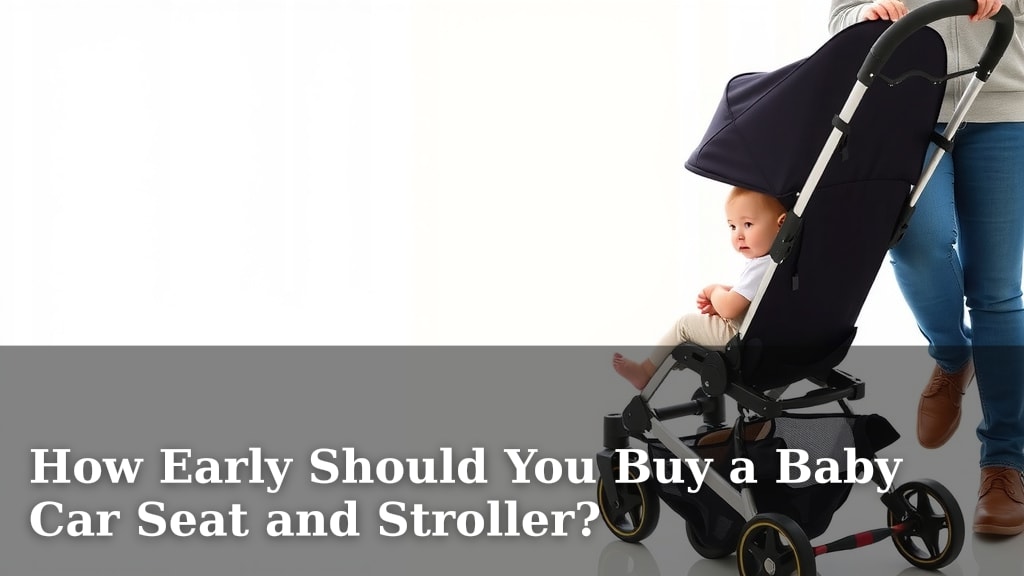
How Early Should You Buy a Baby Car Seat and Stroller?
You should buy a baby car seat and stroller when you’re in your second trimester of pregnancy. This gives you plenty of time to research and make a decision. Waiting too long can lead to added stress as your due date approaches. Getting these essentials early ensures you have them ready for your baby’s arrival.
Many parents wonder about the ideal timing for these big purchases. Buying early allows you to compare brands and features without feeling rushed. It also lets you take advantage of sales events. We found that most parents feel more prepared when these items are secured well before the baby is due.
- Buy your car seat and stroller during your second trimester.
- This gives you ample time to research options thoroughly.
- Waiting too long can cause unnecessary stress later on.
- Shopping early helps you snag the best deals and styles.
Let’s walk through exactly when and why it makes sense to start shopping for these must-have baby items.
When to Purchase Your Baby’s Car Seat and Stroller
So, when is the sweet spot for buying those big-ticket baby items, the car seat and stroller? We found that aiming for your second trimester is generally the best advice. Think of it as a gentle nudge, not a frantic dash.
This timing gives you a good buffer. You’ll have a few months to really research and compare. It helps avoid the last-minute panic that can come with a rapidly approaching due date. Plus, you can catch sales!
The Car Seat: Safety First, Shopping Second
Your baby’s car seat is arguably the most critical item you’ll buy. It’s all about safety, and safety demands careful consideration. We know it can feel overwhelming with all the options out there.
Why Not Wait Until the Last Minute?
Waiting too long to buy a car seat can lead to a few stressful scenarios. What if the specific model you want is out of stock? What if you have a sudden craving for a particular color or feature that’s unavailable?
You might end up grabbing the first thing you find. That’s not ideal when it comes to your baby’s safety and comfort. We found that parents who shop early report feeling much more confident in their choice.
Factors to Consider for Your Car Seat
When you’re shopping, think about a few key things. You’ll want to consider ease of installation. Nobody wants a wrestling match with a car seat in a busy parking lot.
Think about the type of seat. Are you looking for an infant-only seat? Or perhaps an all-in-one that will grow with your child? Researching these options early helps you make an informed decision.
Many experts recommend checking safety ratings and crash test data. Organizations like the National Highway Traffic Safety Administration (NHTSA) provide great resources. We found their information to be very helpful for understanding safety features.
The Stroller: Navigating Your Options
The stroller is your other big companion for getting around with your little one. Like the car seat, there’s a huge variety to choose from. Finding the right one can feel like a treasure hunt.
Finding the Right Fit for Your Lifestyle
What kind of life do you lead? Are you an urban explorer who needs something compact and nimble? Or perhaps you’re a trail blazer who needs a rugged stroller for various terrains?
Consider your daily routines. Will you be using it mostly for short walks or longer outings? Do you need it to fold easily for car transport? These questions help narrow down your choices. We found that thinking about your daily habits makes the stroller selection much easier.
Stroller Features to Watch For
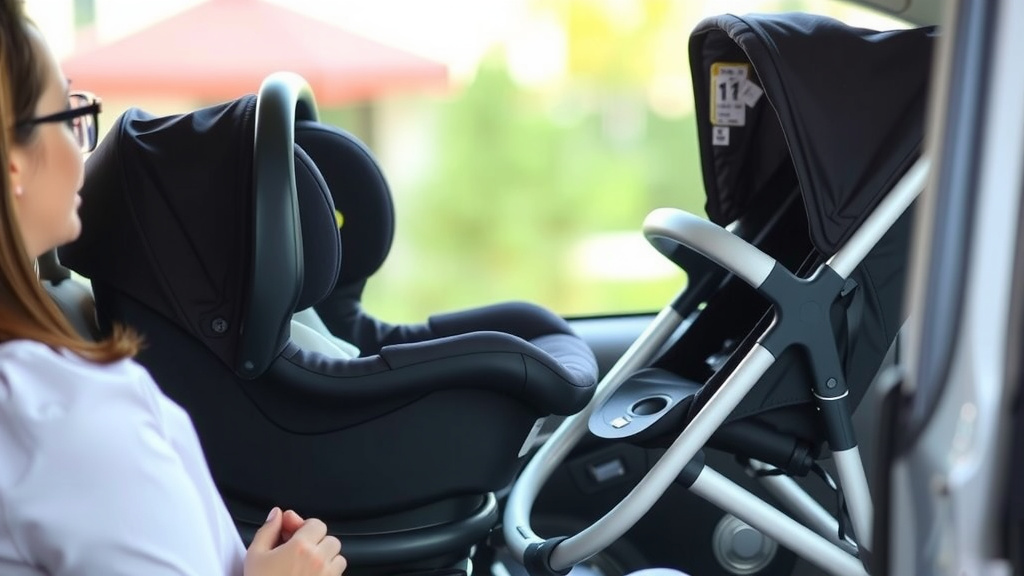
Strollers come with all sorts of bells and whistles. Some offer multiple seating positions, while others have massive storage baskets. You might want a stroller that can easily convert to a travel system, compatible with your infant car seat.
Think about maneuverability and weight. Can you push it with one hand? Is it too heavy to lift into your car trunk? Reading reviews and watching video demonstrations can be incredibly useful. Many parents find that understanding these practical aspects saves them hassle later on.
The Benefits of Early Shopping: More Than Just Avoiding Stress
Buying your car seat and stroller during the second trimester isn’t just about reducing stress. It opens up a world of advantages. You gain the freedom to explore different brands and styles without feeling rushed.
Taking Advantage of Sales and Deals
Many retailers have seasonal sales. You might find a fantastic deal during a holiday weekend or a specific baby-focused event. Shopping early means you have a better chance of snagging these discounts.
We found that parents who buy early are often able to save a good amount of money. This is money that can be put towards other baby essentials. It’s a win-win!
Avoiding the “Out of Stock” Blues
Popular items can sell out quickly, especially around peak baby-arrival seasons. If you wait too long, you might find your dream stroller or a highly-rated car seat is unavailable. You could face a lengthy wait for restocks.
Getting these items secured early ensures you have what you want, when you need it. It’s one less thing to worry about as you prepare for your baby’s grand entrance. Imagine the relief!
Time for Registry and Returns
If you’re creating a baby registry, buying early allows you to add these items. Friends and family can then purchase them for you. This can take a significant dent out of your own spending.
It also gives you time to handle any necessary returns or exchanges. What if a car seat doesn’t fit well in your car? What if a stroller is harder to fold than you expected? Having this window means you can sort out any issues without pressure. We found that having this flexibility is incredibly helpful.
A Quick Checklist for Your Shopping Timeline
To help you stay on track, here’s a simple checklist:
- Around 20 weeks (Second Trimester): Start researching car seats and strollers.
- Around 24-28 weeks: Decide on your top choices. Add them to your registry or make the purchase.
- Around 30-32 weeks: Ensure you have the car seat installed correctly.
- Before 36 weeks: Have both the car seat and stroller ready to go.
By following this general timeline, you can approach your baby’s arrival feeling prepared and organized. It’s about making thoughtful choices and enjoying the process of nesting.
Conclusion
You’ve learned that aiming to buy your baby’s car seat and stroller during your second trimester is a smart move. This timing lets you avoid last-minute stress, compare options thoroughly, and even catch some great sales. It’s about feeling prepared and organized for your baby’s arrival, not rushed. By giving yourself this buffer, you ensure you have the safest gear and the best stroller for your family’s needs without adding unnecessary pressure. Your next step is to start browsing and comparing those top choices!
Frequently Asked Questions
Can I buy a car seat and stroller before the baby is born?
Absolutely! It’s highly recommended to buy these items well before your baby arrives, ideally during your second trimester. This gives you ample time for research and avoids the stress of needing them urgently.
What happens if I wait too long to buy a car seat?
Waiting too long can mean your preferred model or color is out of stock, or you might feel pressured to buy something less suitable. You also miss out on potential sales and the chance to get it installed correctly before the baby’s due date.
Should I buy an infant car seat or an all-in-one?
This decision depends on your lifestyle and budget. Researching both types early in your pregnancy allows you to consider factors like how long you’ll use it and ease of transfer between car and stroller.
How can I know if a stroller is right for my needs?
Think about your daily routine. Consider where you’ll be using it most—city streets, parks, or rough terrain. Reading reviews and watching demonstration videos can help you assess maneuverability, weight, and folding mechanisms.
Is it okay to add car seats and strollers to my baby registry?
Yes, adding these big-ticket items to your registry is a great idea. It allows friends and family to contribute to these essential purchases, potentially saving you money and ensuring you get the items you’ve chosen.