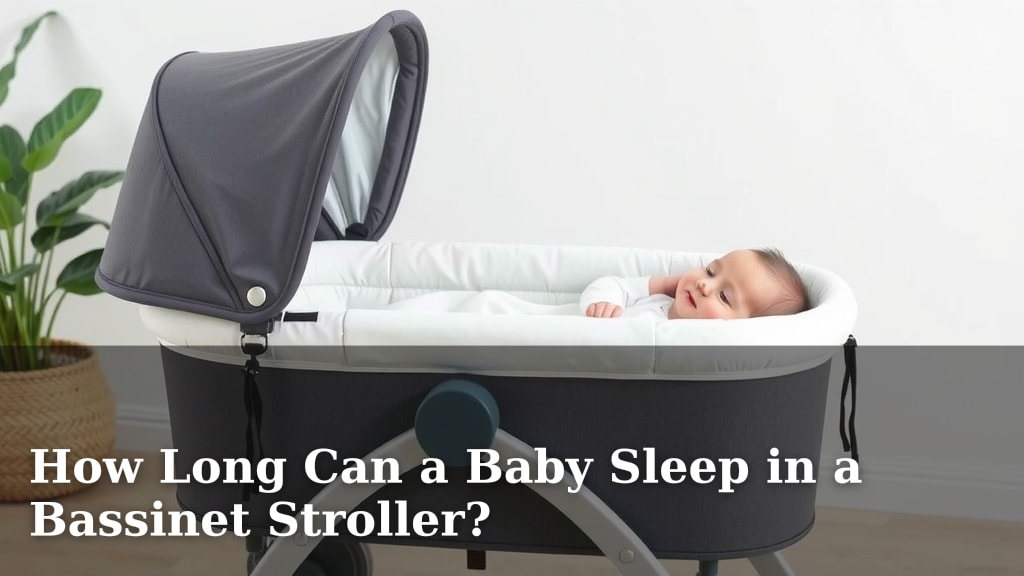
How Long Can a Baby Sleep in a Bassinet Stroller?
Yes, your baby can sleep in a bassinet stroller, but only for **short periods** and under **specific conditions**. These strollers are designed for convenience, not for overnight sleep. Your baby should never sleep unsupervised in a bassinet stroller, especially for extended durations. It’s important to follow **safety guidelines** to ensure your baby’s well-being.
While a bassinet stroller offers a cozy spot for naps on the go, it’s not a substitute for a crib or bassinet meant for safe, continuous sleep. Think of it as a helpful tool for **daytime naps** and short rests, not a long-term sleeping solution. We found that understanding the limitations is key to using it safely.
- Bassinet strollers are for short naps, not overnight sleep.
- Always supervise your baby when they are sleeping in one.
- Check weight and age limits for safe use.
- Ensure the stroller is on a stable, flat surface.
- Prioritize a safe, stationary sleep environment for longer sleep periods.
Let’s walk through exactly how long is safe for your little one to snooze in their bassinet stroller and what you need to watch out for.
Understanding Bassinet Stroller Sleep Times
So, how long can your little one safely doze in a bassinet stroller? The short answer is: **short periods during the day**, and always with you nearby. These strollers are fantastic for convenience, but they aren’t designed for unsupervised or overnight sleep. We found that many parents wonder about this, so let’s break it down clearly.
Think of the bassinet stroller as a cozy, mobile napping spot. It’s perfect for when you’re out and about, running errands, or enjoying a walk in the park. Your baby can get a comfortable rest without needing to be brought inside. However, it’s vital to remember its limitations.
The Purpose of a Bassinet Stroller Attachment
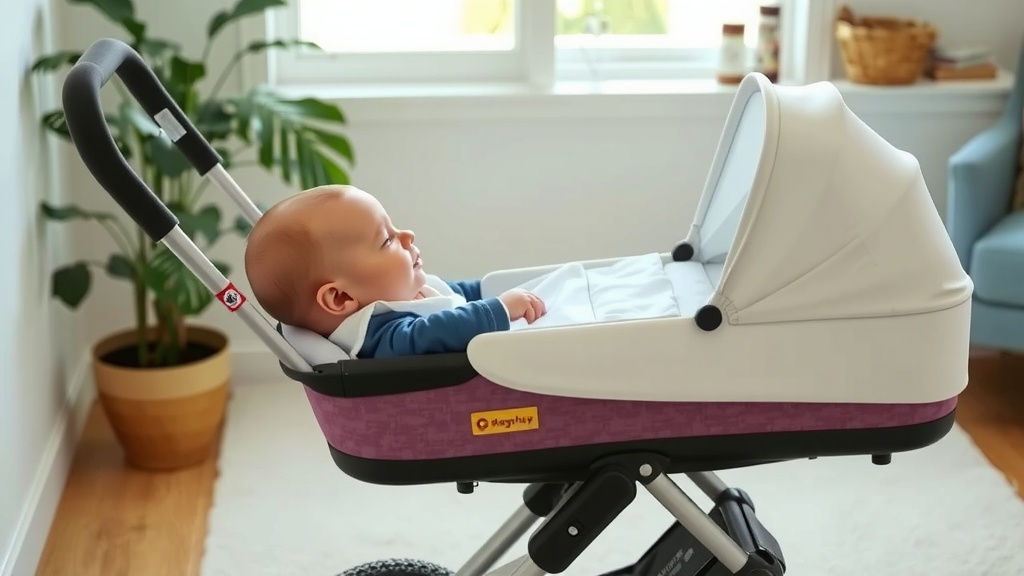
A bassinet stroller attachment essentially transforms a regular stroller into a lie-flat bassinet. This allows newborns, who can’t yet sit up, to lie completely flat. This flat position is important for their developing spine and airways. It offers a familiar, snug environment for your baby while you’re on the move.
We discovered that the design prioritizes comfort and portability. It’s about giving your baby a safe place to rest when you can’t be home with their regular crib or bassinet. It’s a wonderful tool for maintaining your baby’s nap schedule while you’re out and about.
Key Safety Considerations for Stroller Naps
Safety is always the number one priority when it comes to your baby. While a bassinet stroller offers a convenient nap spot, there are strict guidelines to follow. Many experts recommend that a baby should **never sleep unattended** in a stroller, bassinet or otherwise. This is because the risk of suffocation or other hazards increases significantly when no adult is supervising.
We found that it’s crucial to ensure the stroller is on a **firm, level surface**. Never leave it on an incline or near any potential hazards. Also, always check the stroller’s weight and age limits. These are in place to ensure your baby is using the equipment as intended and safely.
Supervision is Non-Negotiable
This cannot be stressed enough: **always supervise** your baby when they are sleeping in a bassinet stroller. This means being within arm’s reach and actively watching them. Things can change quickly, and you need to be there to respond immediately if needed. A quick trip to the restroom or stepping away to grab a coffee without your baby can be risky.
We found that even for a short nap, keeping a close eye on your little one is essential. Are their breathing patterns normal? Is anything obstructing their face? These are things you can only check if you are present and attentive.
Stable Surfaces for Safe Sleep
Imagine your baby napping peacefully. Now imagine the stroller tipping over or rolling away. Scary, right? That’s why placing the bassinet stroller on a **stable, flat surface** is so important. This prevents accidental movement or tipping. Avoid placing it on hills, uneven ground, or near busy areas where it could be bumped.
Many safety guidelines emphasize that strollers are mobile devices, and their primary function is not stationary sleep. When you stop for a longer period, consider moving your baby to a safe, flat surface like a picnic blanket or even their regular bassinet if you have it with you.
Duration of Bassinet Stroller Naps
So, how long is too long? Generally, bassinet strollers are suitable for **naps ranging from 30 minutes to a couple of hours**. This is typically enough time for a baby to get some rest while you’re out. However, this isn’t a hard and fast rule. Factors like your baby’s age, temperament, and how well they usually sleep play a role.
We found that for longer sleep stretches, especially overnight, a crib or a bassinet specifically designed for safe sleep is necessary. These environments have stricter safety standards and are built for continuous, unsupervised sleep.
Newborns vs. Older Infants
For newborns, who tend to sleep in shorter, more frequent bursts, a bassinet stroller can be great for daytime naps. As your baby grows and becomes more active, they will likely spend less time in the bassinet attachment anyway. They’ll want to sit up and look around! Always keep an eye on their development and comfort.
Many experts suggest that babies should transition out of the bassinet stroller attachment once they can push their hands and knees up, or if they reach the weight limit. This is usually around 4-6 months, but it varies by baby.
When to Transition to a Different Sleep Surface
As your baby grows, their sleep needs and capabilities change. A bassinet stroller is a temporary solution, perfect for those early months and for life on the go. But eventually, you’ll need to rely on a more permanent sleep setup for longer naps and nighttime sleep.
We found that the key is to observe your baby. Are they outgrowing the bassinet? Are they starting to wake up more easily in it? These are signs that it might be time to transition. Prioritize a **safe, stationary sleep environment** for all longer sleep periods.
The Importance of a Dedicated Sleep Space
A crib or a bedside bassinet is designed with safety features for continuous sleep. These include firm mattresses, breathable sides, and adherence to strict safety standards. They provide a secure place for your baby to sleep undisturbed for longer periods.
We recommend having a dedicated sleep space at home for your baby. This helps create a routine and reinforces safe sleep practices. While the bassinet stroller is a lifesaver for naps on the go, it shouldn’t replace a safe sleeping environment at home.
Your Bassinet Stroller Nap Checklist
Here’s a quick rundown to keep in mind for safe stroller naps:
- Always supervise your baby directly.
- Ensure the stroller is on a flat, stable surface.
- Check weight and age limits regularly.
- Use for naps, not overnight or extended sleep.
- Remove loose bedding or toys that could be a hazard.
- Be aware of your baby’s cues and transition if needed.
By following these guidelines, you can confidently use your bassinet stroller for comfortable daytime naps while keeping your baby **safe and sound**.
Conclusion
Your bassinet stroller is a fantastic tool for daytime naps on the go. Remember, it’s designed for convenience, not extended sleep. Always prioritize direct supervision and a stable, flat surface. For longer sleep stretches, your baby needs a dedicated, safe sleep environment like a crib or bassinet. We found that understanding these limits ensures your baby stays safe and comfortable while you’re out and about. Next time you’re planning a day out, use your bassinet stroller confidently for short, supervised naps.
Frequently Asked Questions
Can my baby sleep in a bassinet stroller overnight?
No, your baby should never sleep overnight in a bassinet stroller. These strollers are not designed for unsupervised, continuous sleep and lack the safety features of a crib. Overnight sleep should always be in a dedicated, safe sleep space at home.
How long is too long for a baby to nap in a bassinet stroller?
Generally, naps in a bassinet stroller should be kept to a couple of hours at most. For longer naps, it’s safer to transition your baby to their crib or bassinet. Always supervise them closely during any nap duration.
What are the biggest risks of letting a baby sleep too long in a stroller?
The main risks include suffocation hazards from soft bedding, positional asphyxiation if the baby’s airway is compromised, and the stroller tipping over. Unsupervised sleep also prevents you from monitoring their breathing and well-being.
When should I stop using the bassinet attachment on my stroller?
You should stop using the bassinet attachment when your baby reaches the weight limit, can push up on their hands and knees, or shows signs of outgrowing it. This is typically around 4-6 months but varies by baby and stroller model.
Is it okay if the bassinet stroller is on a slight incline for a nap?
No, it’s never okay for the bassinet stroller to be on an incline. Always ensure it’s on a firm, completely flat surface. Inclines can increase the risk of positional asphyxiation and make the stroller unstable.


![10 Best Rated Baby Car Seat And Stroller [2026]](https://bestbabystrollerjudge.com/wp-content/uploads/2026/08/10-best-rated-baby-car-seat-and-stroller-2026-featured-768x432.jpg)