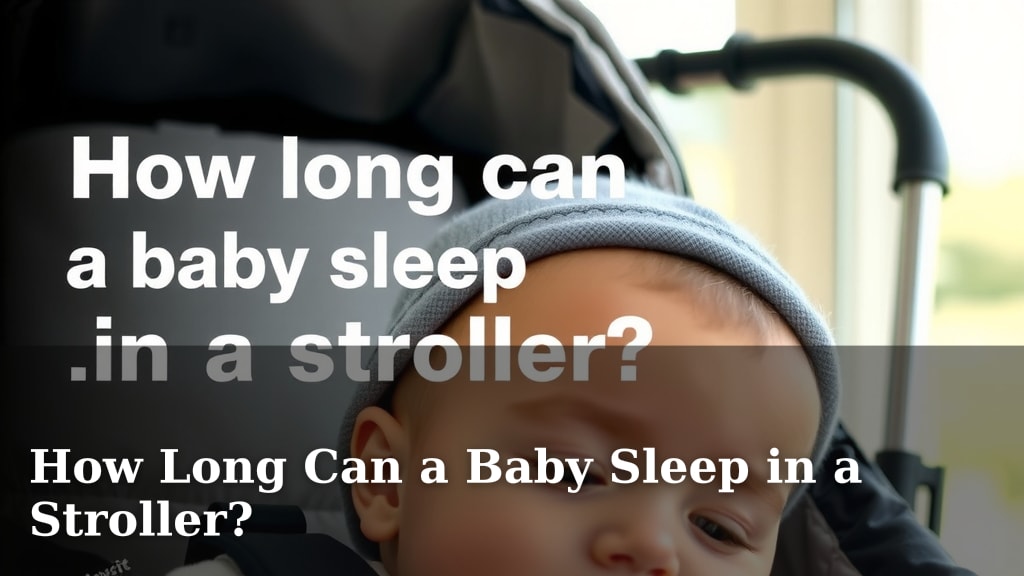
How Long Can a Baby Sleep in a Stroller?
Generally, your baby can sleep in a stroller for short naps and for periods of 1-2 hours during the day. While strollers are convenient for on-the-go naps, they aren’t designed for prolonged, safe sleep like a crib or bassinet. It’s important to monitor your baby closely for comfort and safety when they nap in a stroller.
Understanding stroller nap limits helps you plan outings and keep your little one well-rested. Many parents wonder about the safety and duration of stroller naps. We found that while occasional naps are fine, long stretches in a stroller can pose risks like positional asphyxiation.
- Babies can nap in strollers for short periods, typically 1-2 hours.
- Strollers are not a substitute for safe sleep environments like cribs.
- Always supervise your baby during stroller naps.
- Look for signs of discomfort or overheating.
- Prioritize upright positioning to ensure easy breathing.
Below, we’ll walk you through everything you need to know about how long your baby can safely sleep in a stroller and what to watch out for.
Understanding Safe Stroller Sleep Duration for Your Baby
So, how long can your little one safely snooze in their stroller? For most parents, the stroller becomes an extension of their daily life. It’s fantastic for errands, park visits, or just getting some fresh air. But when naptime rolls around, you might wonder about the limits of stroller snoozing.
Generally, short naps are perfectly fine. Think of it as a temporary resting spot. We found that 1 to 2 hours is often the recommended maximum for a daytime stroller nap. It’s not meant to replace a crib or bassinet, which are designed for continuous, safe sleep. Your baby’s safety and comfort are always the top priorities, right?
Factors Influencing Stroller Nap Length
Several things play a role in how long your baby might be comfortable and safe sleeping in a stroller. It’s not a one-size-fits-all answer, and you’ll quickly learn what works best for your little one.
Baby’s Age and Sleep Needs
Newborns, for example, need a lot of sleep, but they also need very specific sleep conditions. They might nap in a stroller for a bit, but transitioning them back to a safe sleep space is usually best for longer stretches. As babies get older, they tend to have more defined nap schedules and might be more aware of their surroundings, potentially waking more easily in a stroller.
Stroller Design and Recline Position
The type of stroller you have makes a big difference. A stroller that reclines almost flat is much safer for sleep than one that only offers an upright position. We’ve found that a nearly flat recline is essential to keep your baby’s airway open and prevent breathing difficulties. Some strollers are better designed for sleep than others, offering more support and a cozier environment.
Environmental Factors
Think about where you are. Is it noisy? Is it too hot or too cold? A stroller offers less protection from the elements than a crib. Constant noise or distractions can disrupt sleep, making it shorter. Extreme temperatures are also a concern; you need to be able to monitor your baby’s temperature easily. Overheating is a real risk when babies are bundled up in strollers.
Safety Concerns with Prolonged Stroller Naps
While strollers are convenient, there are some important safety considerations, especially if your baby sleeps for longer periods. Understanding these risks can help you make informed decisions.
Positional Asphyxiation: A Serious Risk
This is perhaps the most critical concern. When babies are left to sleep in car seats or strollers that aren’t fully reclined, their heads can slump forward. This slouching position can compress their windpipe, making it harder for them to breathe. We found that this risk is particularly high for younger infants whose neck muscles are not yet strong.
The American Academy of Pediatrics (AAP) strongly advises against letting babies sleep unsupervised in car seats or inclined devices for extended periods. This advice extends to strollers with similar inclines. It’s always best to ensure your baby is in a flat, safe sleep surface whenever possible, especially for naps longer than a short duration.
Overheating and Chilling
Strollers offer less climate control than a nursery. If you’re out on a sunny day, the stroller can quickly become a hot box, even with a light cover. Conversely, a chilly day might require extra blankets, which can also pose a suffocation risk if they cover the baby’s face. Research suggests that maintaining a consistent, comfortable temperature is vital for infant safety and sleep quality.
Suffocation Hazards
Beyond positional risks, other items in the stroller can create hazards. Loose blankets, pillows, or even poorly fitted accessories can obstruct your baby’s airway. Experts emphasize keeping the sleep environment clear of any loose bedding. This is why many recommendations focus on a firm, flat sleep surface without any extra items.
When is a Stroller NOT Suitable for Sleep?
It’s important to know when to avoid letting your baby sleep in a stroller. It’s not about banning stroller naps altogether, but about knowing when to say no.
Overnight Sleep or Extended Naps
A stroller is simply not designed for overnight sleep. It lacks the stability and safety features of a crib or bassinet. If you’re on a trip and need a safe sleep space for your baby, consider a travel crib or bassinet. For longer daytime naps, it’s always best to move your baby to their crib or a safe sleep surface. We found that sticking to designated sleep areas for long stretches is the safest bet.
When the Stroller Recline is Insufficient
If your stroller doesn’t recline to a nearly flat position, it’s not suitable for unsupervised sleep. Even for short naps, you’ll need to be very vigilant. Always check the manufacturer’s guidelines for your specific stroller model regarding sleep. Some manufacturers explicitly state their strollers are not for sleep.
Tips for Safer Stroller Naps
If you do need your baby to nap in a stroller, especially for shorter periods, here are some ways to make it as safe as possible. These tips are often shared by child safety advocates and pediatricians.
Always Recline Fully
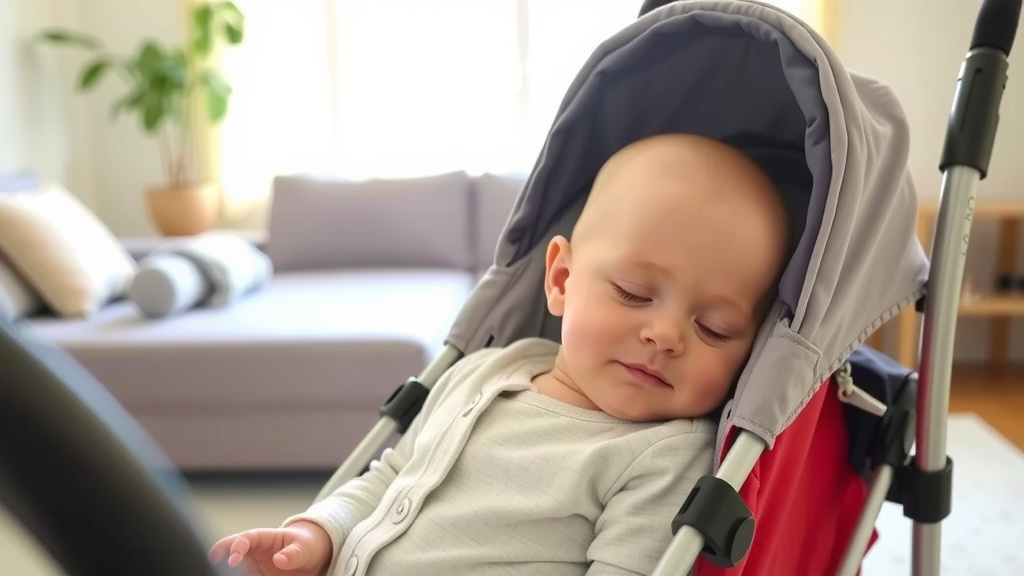
Ensure the stroller is in its flattest recline position. This is non-negotiable for sleep. If your stroller doesn’t go flat enough, it’s not safe for napping.
Check the Fit and Position
Make sure your baby is positioned correctly, with their head and neck supported, not slumping forward. The harness should be snug but not too tight. Your baby’s face should always be visible.
Monitor Temperature and Environment
Use light layers for clothing and blankets. Never cover the baby’s head or face. Keep the stroller out of direct sunlight and away from extreme temperatures. A breathable mesh cover can help with airflow on sunny days, but avoid anything that obstructs ventilation. Research from organizations like the CDC highlights the importance of regulating your baby’s sleep environment temperature.
Stay Close and Supervise
Never leave your baby unattended in a stroller, even for a moment. Keep them within your sight and earshot. Periodically check to ensure they are breathing comfortably and not overheating or too cold. Active supervision is key.
Regular Check-Ins
Periodically check on your baby. Look for signs of discomfort like fussiness, sweating, or difficulty breathing. Gently stir them if they seem too deeply asleep or uncomfortable. Listen for their breathing patterns.
Know When to Move Them
If your baby wakes up and seems unsettled, or if they’ve been napping for a couple of hours, it’s a good time to transfer them to a crib or bassinet. Transitioning them to a consistent sleep environment is always the best practice for longer sleep periods.
| Baby’s Age | Recommended Max Stroller Nap Duration | Key Considerations |
|---|---|---|
| 0-3 Months | 30-60 minutes (with constant supervision and flat recline) | High risk for positional asphyxiation; prioritize flat sleep surfaces. |
| 3-6 Months | 1-1.5 hours (with constant supervision and flat recline) | Neck muscles are stronger, but vigilance is still crucial. |
| 6+ Months | 1-2 hours (with constant supervision and flat recline) | May be more aware of surroundings; ensure comfort and safety. |
These are general guidelines, and your baby’s individual needs will vary. Always prioritize safety and comfort above all else. When in doubt, moving your baby to a crib is the safest choice for extended sleep.
When to Seek Professional Advice
If you’re consistently struggling with your baby’s sleep, whether it’s in a stroller or elsewhere, don’t hesitate to reach out for help. Your pediatrician can offer guidance on safe sleep practices and address any concerns you may have about your baby’s sleep patterns. They can also provide reassurance and personalized advice tailored to your child’s specific needs. Remember, you’re not alone in navigating these parenting challenges.
Conclusion
You’ve learned that while strollers are incredibly handy for short naps, typically 1-2 hours, they aren’t a substitute for a safe, flat sleep surface like a crib. Prioritizing your baby’s safety means always ensuring a near-flat recline, monitoring their environment for temperature, and never leaving them unsupervised. By understanding the risks like positional asphyxiation and following simple safety tips, you can confidently manage stroller naps on the go.
Remember, when in doubt or for longer sleep periods, always choose a dedicated safe sleep space for your little one. Your vigilance makes all the difference in keeping your baby safe and well-rested.
Frequently Asked Questions
Can my newborn sleep in a stroller overnight?
No, a stroller is not designed for overnight sleep. It lacks the stability and safety features of a crib or bassinet. For extended sleep, always opt for a travel crib or bassinet to ensure your newborn’s safety.
What’s the biggest risk of letting a baby sleep too long in a stroller?
The most serious risk is positional asphyxiation, where the baby’s head slumps forward, obstructing their airway. This can make breathing difficult and is particularly dangerous for infants with weaker neck muscles.
How can I tell if my baby is too hot or cold in a stroller?
Feel the back of your baby’s neck or their chest. If it’s sweaty or feels too warm, they are likely too hot. If it feels cold, they need another thin layer. Avoid bundling too much, as this increases overheating risk.
Is it okay if my stroller doesn’t recline completely flat for naps?
If your stroller doesn’t recline to a nearly flat position, it’s generally not considered safe for sleep, even for short naps. Always look for a stroller that can go fully flat to ensure an open airway.
How often should I check on my baby during a stroller nap?
You should check on your baby frequently and never leave them unattended. Listen for their breathing patterns and look for signs of discomfort, overheating, or poor positioning at regular intervals.

![10 Baby Bargains Best Lightweight Stroller [2026]](https://bestbabystrollerjudge.com/wp-content/uploads/2026/09/10-baby-bargains-best-lightweight-stroller-2026-featured-768x432.jpg)