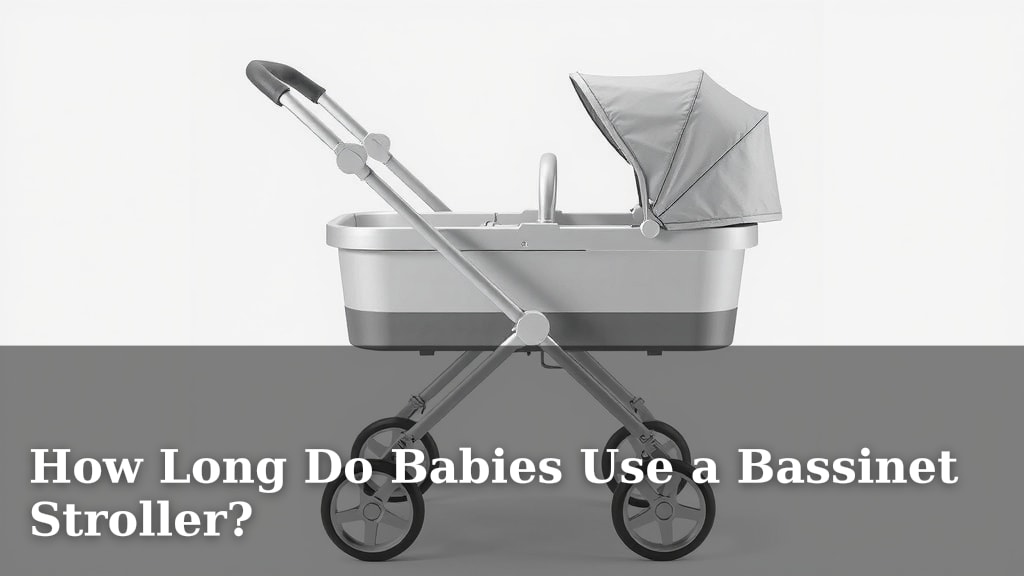
How Long Do Babies Use a Bassinet Stroller?
Babies typically use a bassinet stroller for about 6 to 9 months. This timeframe can vary based on your baby’s growth and weight. Most bassinets have a weight limit, usually around 20 pounds.
Your little one will likely outgrow the bassinet feature before they’re ready to sit up. Many parents wonder about this transition. It’s a common question for new moms and dads planning their baby gear. We found that safety and comfort are key factors.
- Babies use bassinets for 6-9 months on average.
- Check the weight limit (often 20 lbs).
- Consider your baby’s developmental milestones.
- Bassinets offer a safe, flat space for newborns.
- Transition to a toddler seat when ready.
So, how long can you expect your baby to enjoy that cozy bassinet carriage? Let’s walk through when your little one might outgrow it and what comes next.
When Your Baby Outgrows the Bassinet Stroller Attachment
You’re probably wondering how long your little one will fit comfortably in the bassinet stroller. Most babies use this cozy spot for around 6 to 9 months. It’s a sweet phase, isn’t it? Your baby can lie flat and enjoy the ride. But like all good things, your baby will eventually outgrow it.
The exact timing really depends on your baby’s individual growth and development. You’ll notice a few key indicators. They usually involve either reaching a weight limit or starting to show signs of wanting to sit up and see more. We’ve found that keeping an eye on these simple signs makes the transition smooth for everyone.
Understanding the Bassinet’s Limitations
Every bassinet attachment comes with a manufacturer’s weight limit. This is a critical safety guideline. You’ll typically find this information on the stroller’s tag or in the user manual. Exceeding this limit can compromise the stroller’s stability and your baby’s safety. Many bassinets are designed for babies up to 20 pounds.
It’s essential to respect these limits. Remember, the bassinet is designed for newborns who need a flat, supportive surface. As your baby grows, their needs change, and so does their ability to handle different seating positions. Research shows that a flat surface is best for infants to ensure proper breathing and development (American Academy of Pediatrics).
Weight vs. Development: What to Watch For
So, how do you know if your baby is pushing the bassinet’s limits? There are two main ways to tell. It’s either about their weight or their stage of development.
The Weight Limit Factor
The most straightforward way to know is by checking the weight. If your baby is approaching or has reached the 20-pound mark, it’s time to consider a change. Even if they haven’t technically hit the weight limit, if the bassinet looks strained or less stable, it’s wise to switch.
Developmental Milestones and the Bassinet
Babies develop at their own pace. Some are quite wiggly and eager to explore their surroundings. Others are more laid-back. Your baby might start trying to push themselves up or lift their head and chest while lying down. These are signs they’re getting stronger and more curious.
Many experts say that when your baby can sit up unsupported, even for a moment, they are ready for a seat that offers more upright positioning. This usually happens around the time they can hold their head up steadily, which is often around 4-6 months. The bassinet’s flat, reclined surface might not be ideal once they have this newfound core strength.
When to Make the Switch to a Toddler Seat
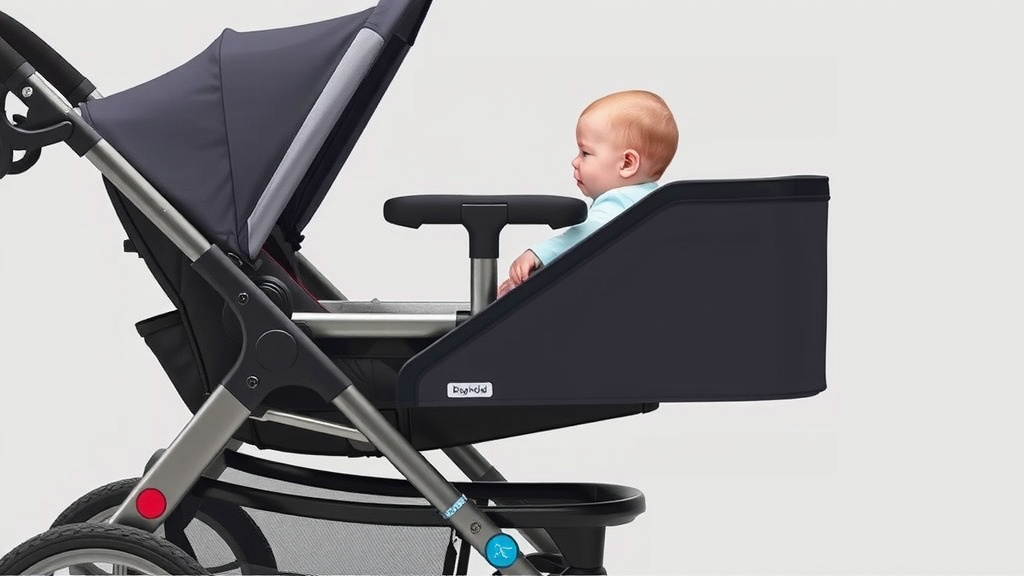
The transition from a bassinet to a toddler seat is a natural progression. Most strollers that offer a bassinet attachment also convert to a standard toddler seat. This seat allows your baby to sit up and face forward, which is often a hit with curious little ones!
You’ll typically make this switch when your baby is about 6 months old, or when they meet the developmental milestones we discussed. They should be able to sit up with support and hold their head up well. If your stroller has a toddler seat option, you’ll simply reconfigure it. You might be surprised how quickly they adapt and enjoy the new view!
Signs Your Baby is Ready for a Toddler Seat
Here are some clear signs your little explorer is ready for an upgrade:
- They can sit up with minimal or no support.
- They are showing a keen interest in their surroundings and want to see more.
- They are reaching for things and trying to move around more actively.
- They are starting to get too long for the bassinet, even if they haven’t reached the weight limit.
What If My Baby Outgrows the Bassinet by Length?
Sometimes, your baby might outgrow the bassinet by length before they reach the weight limit. This is especially true for longer babies. You’ll notice their head or feet are getting close to the edges of the bassinet. Again, safety is key. If they are close to the end of the bassinet’s dimensions, it’s time to switch to the toddler seat to ensure they have enough space and are safely contained.
Making the Transition Smoothly
Switching from a bassinet to a toddler seat can be exciting! It’s a sign of your baby’s growth and increasing awareness of the world. Here’s a quick checklist to help you navigate this change:
- Check the Weight Limit: Always know the maximum weight your bassinet can safely hold.
- Observe Developmental Cues: Look for signs your baby can sit up and is getting too big for the flat surface.
- Consider Length: Ensure your baby isn’t too long for the bassinet’s enclosed space.
- Review Stroller Manual: Understand how to convert your stroller from bassinet mode to toddler seat mode.
- Introduce the New Seat: Let your baby get used to the toddler seat gradually. Start with short trips.
- Safety First: Always ensure all harnesses and straps are properly secured in the new configuration.
This transition is a wonderful milestone. It means your baby is growing stronger and more engaged with the world around them. By understanding the limits of the bassinet and watching for your baby’s cues, you can ensure they remain safe and comfortable on all your outings.
Conclusion
You’ve learned that your baby will likely use their bassinet stroller attachment for about 6 to 9 months. This timeframe is a guideline, and your baby’s individual growth is the real indicator. Always check the weight limit and watch for developmental cues like sitting up. When your baby outgrows the bassinet, the transition to a toddler seat is exciting. It’s a natural step as they become more aware of their surroundings. Take the next step by reviewing your stroller’s manual to understand how to convert it to the toddler seat configuration, preparing for your baby’s next adventure!
Frequently Asked Questions
How do I know if my baby is too heavy for the bassinet?
You’ll know your baby is too heavy when they approach or reach the manufacturer’s specified weight limit, often around 20 pounds. If the bassinet seems strained or less stable when your baby is in it, it’s also a sign to consider switching.
What are the signs my baby is ready for a toddler seat beyond weight?
Look for developmental signs such as your baby trying to push themselves up or sit up even briefly. If they are showing a strong interest in looking around and can hold their head up well, they are likely ready for a more upright seat.
Can my baby use the bassinet if they are long but not heavy?
If your baby is long and their head or feet are nearing the edges of the bassinet, it’s time to switch. Even if they haven’t hit the weight limit, ensuring they have enough enclosed space for safety is paramount.
What’s the main benefit of using a bassinet stroller initially?
The primary benefit is providing a safe, flat, and cozy space for your newborn to lie down completely flat. This position is ideal for their development and ensures they can breathe easily while on the go.
Is it difficult to switch from a bassinet attachment to a toddler seat?
The switch is usually quite straightforward. Most stroller systems are designed for easy conversion. Your baby might need a little time to adjust, but they often enjoy the new perspective the toddler seat offers.
![10 Best All In One Baby Car Seat And Stroller [2026]](https://bestbabystrollerjudge.com/wp-content/uploads/2026/09/10-best-all-in-one-baby-car-seat-and-stroller-2026-featured-768x432.jpg)