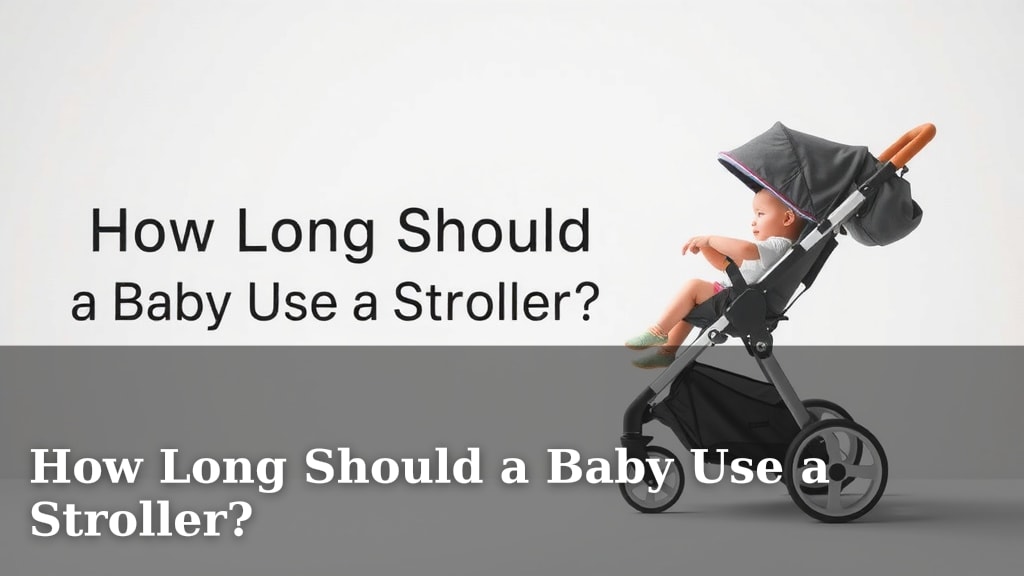
How Long Should a Baby Use a Stroller?
You can expect your baby to use a stroller for up to 3 years, or until they weigh about 40-50 pounds. Many babies outgrow their strollers in height or weight before they outgrow the need for one. It really depends on your child’s individual growth and your family’s lifestyle.
Deciding when to transition away from a stroller involves considering several factors. Things like your child’s mobility, independence, and the types of outings you take are all part of the equation. You might find yourself using a stroller less often as your little one becomes more active.
- Most kids use strollers until around age 3.
- Weight limits are typically between 40-50 lbs.
- Consider your child’s walking ability.
- Think about the length of your outings.
Let’s walk through exactly how long a stroller might be in your life and what signs to look for as you transition to walking more.
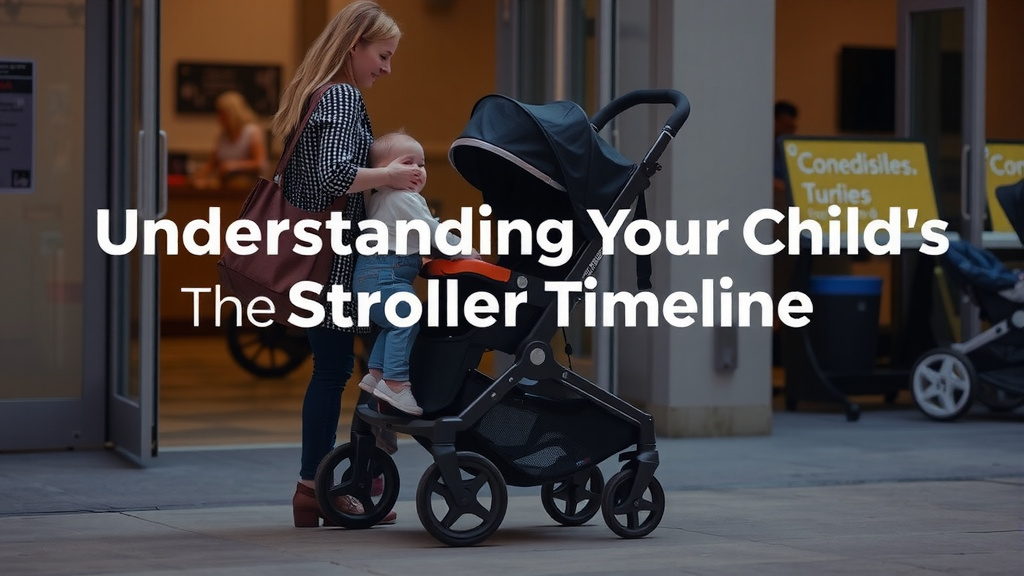
“`htmlUnderstanding Your Child’s Stroller Timeline
You’re probably wondering when your trusty stroller will become a relic of the past. For most families, this transition happens gradually. It’s less about a hard stop date and more about observing your child’s development and your family’s routine. We found that by the time kids hit their third birthday, many are ready to ditch the stroller for good.
When Does a Child Outgrow a Stroller?
Your child will likely outgrow their stroller based on two main factors: their height and their weight. Manufacturers provide specific limits for each stroller model. You’ll typically see weight limits ranging from 40 to 50 pounds.
Height is also a consideration, though less often explicitly stated. If your child’s legs are dangling way past the footrest or their head is bumping the canopy, they might be feeling cramped. We found that feeling uncomfortable is often a big hint that it’s time for a change.
Factors Influencing Stroller Use Duration
Several things will play a role in how long you use a stroller. Your child’s individual pace of development is key. Some toddlers are on their feet and walking confidently at 12 months, while others might take a bit longer.
Your lifestyle is another huge piece of the puzzle. Do you live in a city and rely on public transport? A stroller can be essential for navigating busy sidewalks and storing essentials. Or maybe you live in a rural area with lots of open space for your little one to run free.
Signs Your Toddler is Ready to Walk More
Your child will often tell you they’re ready to step away from the stroller. You just need to know what to look for! These are the subtle (and sometimes not-so-subtle) hints that they’re eager for more independence.
Increased Mobility and Stamina
The most obvious sign is your child’s ability to walk and run for longer distances. If they can keep up with you on shorter trips without getting tired quickly, they’re likely ready for more walking. Think about park visits or walks around the neighborhood.
We’ve observed that kids who are confidently walking and even starting to skip or jump are developing the stamina needed for longer strolls. Their legs are getting stronger every day!
Developing Independence and Curiosity
Does your child often try to get out of the stroller, even when you’re not going far? This is a classic sign of their desire for more freedom. They want to explore the world at their own pace, touch things, and interact with their surroundings.
Many parents report that their toddlers start showing a real eagerness to walk beside them rather than being pushed. It’s a natural step towards independence.
Expressing Discomfort or Boredom
If your child seems restless, fidgety, or even outright unhappy in the stroller, it could be a sign they’ve outgrown it. They might feel confined or simply bored with being strapped in.
Sometimes, they might even start complaining about being in the stroller. Listen to those little voices! They’re often more direct than we realize.
When Strollers Remain Useful: Extended Scenarios
Even when your child is walking well, there are still times when a stroller can be incredibly handy. It’s not always an all-or-nothing situation.
Long Outings and Errands
For extended trips to the zoo, a museum, or a long day of shopping, a stroller can still be a lifesaver. Little legs get tired, especially when they’re still growing.
It’s also a safe space for your child to rest or even take a nap when they’re worn out. This allows you to continue enjoying your outing without a tired, grumpy toddler.
Travel and Public Transportation
Navigating airports, train stations, or crowded city streets with a young child can be challenging. A stroller provides a way to keep your child contained and safe, especially in unfamiliar or busy environments.
It also offers a convenient place to stash your bags and essentials. Many travel-specific strollers are lightweight and easy to fold, making them perfect companions for adventures.
Children with Special Needs
For children with developmental delays, mobility issues, or certain medical conditions, a stroller might be necessary for much longer. The stroller provides support and security that they might not otherwise have.
Consulting with healthcare professionals can help determine the best mobility solutions for these children. These specialized strollers offer robust support and safety features.
Transitioning Away from the Stroller: A Gradual Process
Moving away from the stroller doesn’t have to happen overnight. You can introduce walking more often gradually. Think of it as a phase-out rather than a sudden ban.
Start with Short Walks
Begin by leaving the stroller at home for short, familiar walks around your neighborhood. Let your child lead the way (within safe boundaries, of course!).
Offer plenty of praise and encouragement as they walk. Celebrate their efforts!
Use a Stroller as a “Rest Stop”
As your child gains confidence, you can use the stroller more like a temporary rest stop. Let them walk until they get tired, then offer them a seat for a bit before they head off again.
This approach helps them build stamina without pushing them too hard. It’s a balanced way to encourage more walking.
Consider Alternative Mobility Options
When your child is past the stroller stage but still needs occasional help with longer distances, you might consider other options. These can include a scooter with a seat, a tricycle, or even a wagon.
These alternatives offer a sense of freedom and fun while still providing a way for them to rest when needed. They can be a great bridge between full stroller dependence and complete independence.
Checklist: Is It Time to Ditch the Stroller?
Ask yourself these quick questions to see if your child is ready to move on:
- Can your child walk or run for at least 15-20 minutes comfortably?
- Do they frequently try to get out of the stroller on short trips?
- Are they showing a strong desire to walk and explore independently?
- Have they reached or are they close to the stroller’s weight limit?
- Does your child seem bored or restless when strapped into the stroller?
- Do your outings typically involve shorter distances where walking is feasible?
Conclusion
As your little one grows, you’ll find that stroller use naturally decreases. Most children are ready to walk more independently around age 3, though this varies. Pay attention to your child’s mobility, stamina, and desire for independence. Even after they’re walking well, strollers remain useful for long outings, travel, or children with special needs. You can ease the transition by starting with short walks and using the stroller as a “rest stop.” Trust your observations of your child; they’ll often signal when they’re ready for more walking adventures.
Frequently Asked Questions
What is the average age a child stops using a stroller?
On average, children typically use strollers until around 3 years old. However, this is just an estimate, and many factors can influence this timeline. Your child’s individual development and your family’s lifestyle are key determinants.
Are there any safety concerns if my child outgrows the stroller’s weight limit?
Yes, exceeding the stroller’s weight limit can be a safety concern. The stroller may become unstable or harder to maneuver. It’s important to consult the manufacturer’s guidelines and consider a new stroller if your child is approaching or has reached the limit.
How can I encourage my toddler to walk more instead of using the stroller?
You can encourage more walking by making it fun. Offer praise for their efforts, and start with short, engaging walks. Let them explore safely, and consider offering a treat or a fun destination as a reward for walking.
What are some alternatives to a stroller for a child who is almost ready to walk everywhere?
For children who need occasional help with distance but are mostly walking, consider options like a wagon, a balance bike, or a scooter with a seat. These provide a sense of independence while still offering a way to rest.
Can my child still use a stroller for travel even if they walk well at home?
Absolutely. Strollers are incredibly useful for travel, especially in busy airports or unfamiliar cities. They provide a safe place for your child to rest and a convenient way to manage your belongings during transit.
![10 Best Walking Stroller For Baby [2026]](https://bestbabystrollerjudge.com/wp-content/uploads/2026/08/10-best-walking-stroller-for-baby-2026-featured-768x432.jpg)
![10 Best Baby Bike Trailer Stroller Combo [2026]](https://bestbabystrollerjudge.com/wp-content/uploads/2026/09/10-best-baby-bike-trailer-stroller-combo-2026-featured-768x432.jpg)
![10 Best Baby Car Seat Stroller Combo [2026]](https://bestbabystrollerjudge.com/wp-content/uploads/2026/08/10-best-baby-car-seat-stroller-combo-2026-featured-768x432.jpg)