
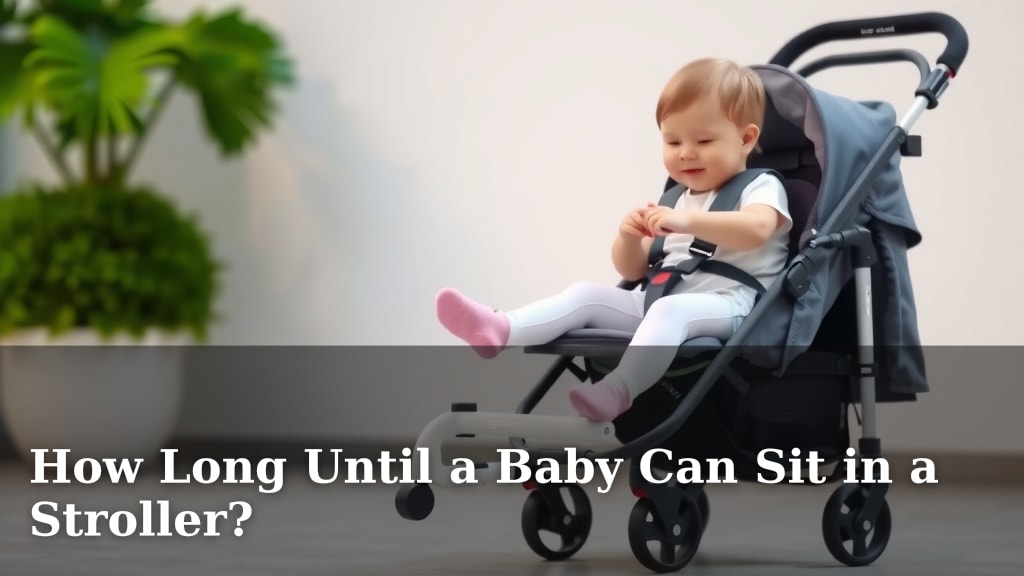
How Long Until a Baby Can Sit in a Stroller?
You’re probably wondering, “How long until my baby can sit up in a stroller?” Most babies can comfortably sit in a stroller between 6 and 9 months of age. This is generally when they develop enough head and neck control to safely support themselves. For younger infants, stroller bassinets or car seat adapters are often a safer and more suitable option.
Understanding these milestones is key to ensuring your baby’s comfort and safety on outings. While many strollers offer reclining seats for newborns, the ability to sit upright marks a significant step. We found that many parents use their stroller’s recline feature until their baby can hold their head steady. This allows for longer outings without compromising their posture.
- Babies typically sit independently around 6-9 months.
- Head and neck control is the main factor.
- Newborns need bassinets or car seat adapters.
- Always check your stroller’s specific age/weight guidelines.
Let’s walk through exactly when your little one might be ready for a more upright stroller ride and what to look for.
“`htmlReadying Your Baby for the Stroller Seat
So, your little one is getting bigger, and you’re eager to try out that upright stroller seat. It’s exciting to think about longer walks and easier outings! But when is the right time? We found that most babies are ready to sit in a stroller seat when they have achieved good head and neck control. This usually happens between 6 and 9 months of age.
Before they can hold their head steady, their neck muscles are still developing. This means they need full support. Trying to sit them up too soon can be uncomfortable and even unsafe. It’s like trying to stand a toddler before they can balance – a wobbly situation for everyone!
Developmental Milestones for Sitting Up
The key indicator for stroller seat readiness is your baby’s ability to sit independently. This isn’t just about plopping them down; it’s about them actively engaging their core and back muscles to stay upright.
Head and Neck Control: The Foundation
This is the big one! When your baby can hold their head up steadily without wobbling, they’re developing the core strength needed for sitting. You’ll notice this when they can look around freely while on their tummy or when you hold them. We found that babies who can hold their head up for extended periods are usually progressing well toward independent sitting.
Sitting Independently: A True Sign of Readiness
Around 6 to 9 months, many babies start to push themselves up into a sitting position. They might use their hands for support initially, like little tripods. Eventually, they’ll be able to sit without any help. This stage is a great sign they can handle the upright position of a stroller seat.
You can often test this by placing your baby in a safe, supported sitting position on the floor. If they can maintain it for a few minutes without toppling over, they are likely developing the necessary strength.
Other Signs to Watch For
Beyond just sitting, look for other cues. Is your baby showing curiosity about the world around them? Can they lean forward to see things better? These are all signs that they are ready for a more engaging view from a stroller seat.
- Good head and neck control.
- Ability to push up into a sitting position.
- Maintaining a sitting position without assistance.
- Showing interest in their surroundings.
Options for Newborns and Younger Infants
While the 6-9 month mark is typical for stroller seats, what about your brand-new baby? Thankfully, strollers are designed with newborns in mind too. It’s all about providing the right support for their delicate bodies.
Bassinet Attachments: A Cozy Cocoon
Many stroller systems offer bassinet attachments. These are like little cradles that lay flat, providing a snug and secure environment. Your newborn can sleep and rest comfortably without any strain on their developing spine. We found these are excellent for longer outings where your baby might nap.
Car Seat Adapters: On-the-Go Convenience
Clicking your infant car seat directly onto the stroller frame is another popular option. This is incredibly convenient, allowing you to move your sleeping baby from the car to the stroller without disturbing them. Always ensure your car seat is compatible with your stroller using the correct adapters.
The key here is that the baby is in a reclined or fully supported position. They aren’t actively sitting up and bearing weight on their spine. This is vital for their safety and development.
When to Transition to the Stroller Seat
Once your baby has mastered sitting independently, you can start thinking about transitioning to the regular stroller seat. But even then, there are a few things to consider.
The Recline Feature is Your Friend
Even when your baby can sit up, they can tire easily. Most stroller seats recline. We found that using the recline feature is still a good idea, especially for longer walks. It allows your baby to rest their back and enjoy the ride without becoming overtired.
Start with the seat in a more upright position for short periods. Watch your baby for signs of fatigue or discomfort. If they start to slump or seem restless, it’s time to recline them slightly.
Stroller Weight and Height Limits
Always consult your stroller’s manual. Each stroller has specific weight and height limits for its seat. These are important safety guidelines. Make sure your baby is within the recommended range for the seat they are using.
Exceeding these limits can affect the stroller’s stability and safety. So, keeping an eye on these guidelines is a smart move.
Safety First: The Reclining Rule
Here’s a quick safety tip we learned from many parenting resources: always ensure the stroller seat is reclined to a safe angle if your baby falls asleep. This prevents their chin from slumping onto their chest, which can restrict breathing. This rule applies even if your baby can sit up independently.
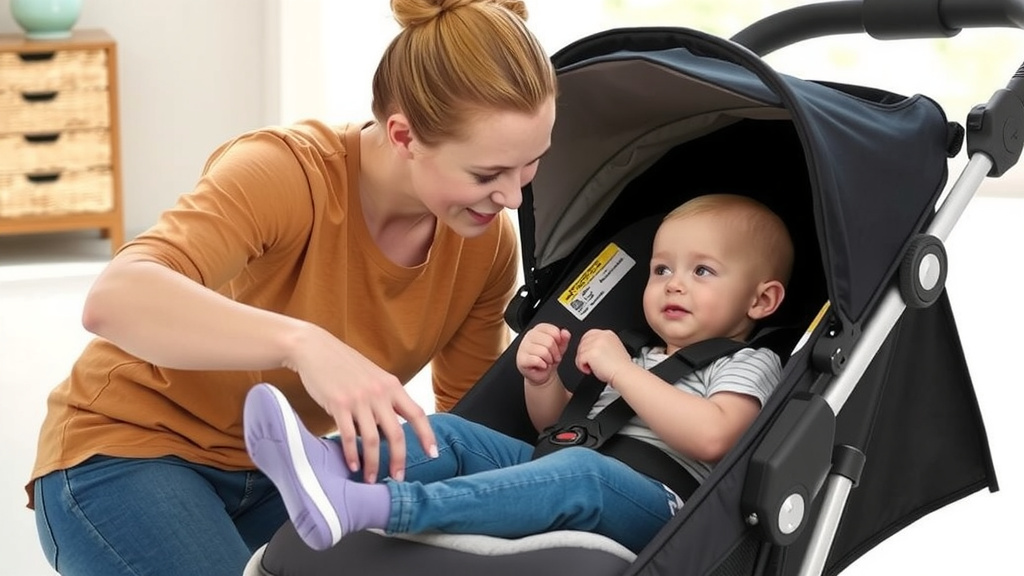
Is Your Baby Ready? A Quick Checklist
Wondering if it’s time? Run through this quick checklist. If you can tick most of these boxes, you’re likely good to go!
- Head Control: Can your baby hold their head up steadily for at least a minute?
- Sitting Skills: Does your baby sit independently for several minutes without support?
- Muscle Strength: Can your baby push up or hold themselves in a stable sitting position?
- Curiosity: Is your baby actively looking around and engaged with their environment?
- Stroller Fit: Does the stroller seat offer good support for their back and sides?
Making the Transition Smoothly
When you do transition, start small. Perhaps use the stroller seat for a short walk around the block. Pay close attention to your baby’s cues. Are they happy and comfortable? Or are they fussing and trying to get out?
If they seem content, great! You can gradually increase the duration of your outings. If they seem unhappy, it might be a sign they aren’t quite ready for full upright sitting, or perhaps the stroller seat itself isn’t the most comfortable yet. You can always return to the bassinet or car seat option for a bit longer.
Remember, every baby develops at their own pace. What matters most is ensuring your child is safe, comfortable, and supported during your adventures together.
“`Conclusion
You’ve learned that your baby is generally ready for a stroller seat between 6 and 9 months old, when they have good head and neck control. For younger infants, bassinets or car seat adapters offer the necessary support. Always remember to check your specific stroller’s guidelines and utilize the recline feature even after your baby can sit independently. Prioritize safety by ensuring proper posture when they nap. Observing your baby’s developmental cues and comfort is your best guide.
Your next step? Trust your instincts and make the transition when your little one shows readiness. Enjoy your stroller adventures together!
Frequently Asked Questions
Can I put my newborn directly into a regular stroller seat?
No, newborns should not be placed directly into a standard stroller seat. Their developing spines need full support, which regular seats don’t provide. You should use a bassinet attachment or an infant car seat adapter for newborns.
My baby can sit up for a few minutes. Is that enough to use the stroller seat?
While being able to sit independently is a key milestone, look for sustained sitting ability and good head control. Even then, start with short periods in a more upright position and use the recline if they get tired or fall asleep.
How do I know if my baby is getting uncomfortable in the stroller seat?
Watch for signs like fussiness, arching their back, or slumping. If your baby seems restless or tries to lean excessively, they might be uncomfortable or tired. Adjusting the recline or taking a break can help.
What if my stroller doesn’t have a bassinet or car seat adapter option?
If your stroller only has a standard seat, you’ll likely need to wait until your baby can sit independently and has strong head control, typically around 6-9 months. In the meantime, you might consider babywearing or a different stroller designed for newborns.
Is it okay for my baby to sleep in the stroller seat if they can sit up?
Yes, but always ensure the seat is reclined to a safe angle when your baby sleeps. This prevents their chin from drooping onto their chest, which can obstruct breathing. Never leave a sleeping baby in a fully upright position.

![10 Travel System Best Baby Stroller [2026]](https://bestbabystrollerjudge.com/wp-content/uploads/2026/08/10-travel-system-best-baby-stroller-2026-featured-768x432.jpg)