
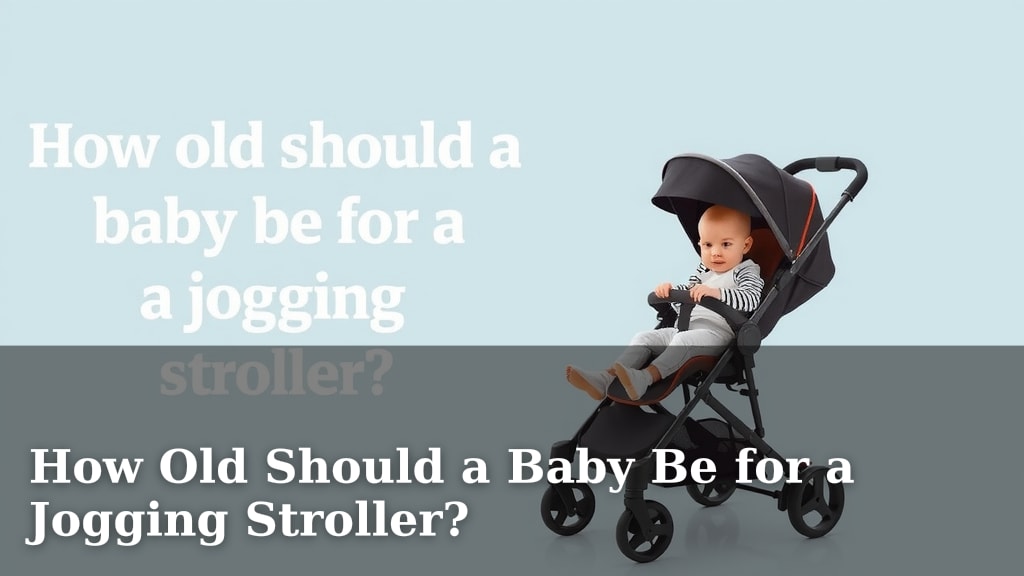
How Old Should a Baby Be for a Jogging Stroller?
Generally, babies should be at least 6 months old before you take them for a jog in a jogging stroller. This is because younger babies don’t have enough head and neck control to safely handle the bouncing and jostling that comes with running. It’s essential to wait until your little one can sit up unassisted to ensure their safety and comfort.
While 6 months is a common guideline, it’s not a hard and fast rule. Your baby’s individual development plays a big role. Some babies develop head and neck strength earlier, but many experts still recommend waiting until around 8-12 months for longer or more vigorous runs. Always consider your baby’s specific needs and comfort levels.
- Most babies are ready for jogging strollers around 6 months old.
- They need good head and neck control to ride safely.
- Waiting until 8-12 months is often recommended for longer runs.
- Always check with your pediatrician if you have concerns.
Ready to hit the pavement? Let’s walk through what to look for and how to make those runs safe and enjoyable for you and your baby.
“`htmlWhen Can Your Baby Safely Ride in a Jogging Stroller?
So, you’re eager to get back to your running routine and bring your little one along for the ride! That’s fantastic. But when exactly is the right time to introduce your baby to the smooth, or sometimes not-so-smooth, world of jogging strollers? We’ve got you covered.
The general consensus among pediatricians and stroller manufacturers is that babies should be at least 6 months old before they can safely ride in a jogging stroller. This age is a key milestone because it typically aligns with when babies develop sufficient head and neck control.
Understanding the Need for Head and Neck Support
Think about it: when you run, there’s a lot of bouncing, jolting, and movement. A baby who can’t yet hold their head up independently needs constant support. Their little necks and spines are still developing, and they aren’t equipped to handle the forces involved in running without proper stability.
Many standard strollers offer recline positions that can support younger infants. Jogging strollers, however, are designed for speed and maneuverability on varied terrain. This often means a more upright seating position, which isn’t suitable for babies lacking core strength. A 6-month-old can usually sit up with minimal support, making them ready for this more active form of travel.
What Development Milestones Matter Most?
Beyond just age, it’s about watching your baby’s specific progress. Here’s what to look for:
- Sitting Up Independently: Can your baby sit upright on their own for several minutes without toppling over? This is the most critical indicator.
- Strong Neck Muscles: Does your baby hold their head up steadily when you hold them or when they’re sitting in a high chair? They shouldn’t be bobbing their head around a lot.
- Good Trunk Control: They can maintain their balance when they shift their weight slightly.
If your baby meets these developmental markers, they’re likely nearing the readiness stage for a jogging stroller. Remember, every baby develops at their own pace. Some might hit these milestones a bit sooner, while others might take a little longer. That’s perfectly okay!
Why Waiting a Little Longer Might Be Better
While 6 months is the minimum, many experts suggest waiting until 8 to 12 months for your initial jogs, especially if you plan on longer runs or a faster pace. Why the extra wait?
A more mature baby will have even stronger core muscles and better balance. This means they’ll be more comfortable and secure during your run. Plus, they’ll likely be more engaged and happier to be along for the ride. Think of it as an upgrade in their comfort and safety settings!
Consider the type of running you plan to do. A leisurely stroll in a jogging stroller on a paved path is different from tackling a bumpy trail at a brisk pace. For more vigorous activities, the longer you can wait, the better prepared your baby will be.
Jogging Stroller Features for Baby’s Safety and Comfort
Once your baby is ready, choosing the right jogging stroller is key. Look for specific features designed for infant safety and comfort during activity:
Harness System
A 5-point safety harness is non-negotiable. This secures your baby snugly at the shoulders, hips, and between the legs. It prevents them from slouching or slipping out, even with movement.
Suspension and Shock Absorption
Jogging strollers should have a good suspension system. This is like giving your baby a smoother ride on a cloud, rather than a bumpy cart. It absorbs the shock from uneven terrain, making the experience much more comfortable for them.
Recline Options and Support
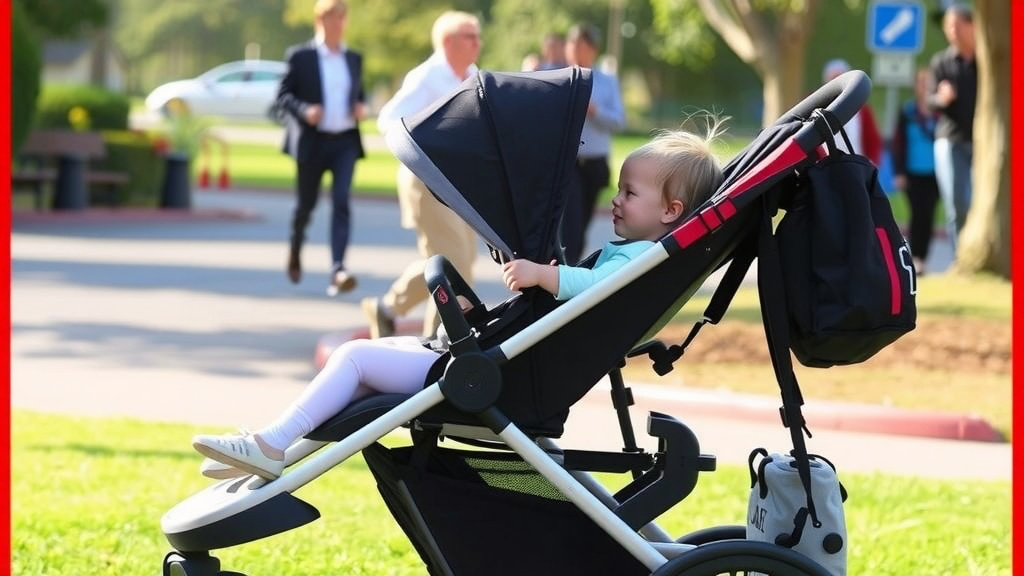
Even at 6 months, some babies still benefit from a slightly reclined position. Many jogging strollers offer adjustable recline angles. Ensure the seat provides good lumbar support and that your baby can sit upright comfortably without slumping.
Canopy Coverage
A large, adjustable canopy is essential for protecting your baby from sun, wind, and light rain. Look for UPF-rated fabric for maximum sun protection (Mayo Clinic).
A Quick Checklist for Readiness
Before you lace up your running shoes, run through this quick checklist. It will help you decide if your baby is truly ready:
- Can your baby sit unsupported for 10-15 minutes?
- Does your baby have good head and neck control?
- Are they generally happy and comfortable in upright seating?
- Is the jogging stroller equipped with a 5-point harness and good suspension?
- Have you consulted with your pediatrician about your plans?
When to Hold Off: Signs Your Baby Isn’t Ready
Sometimes, despite reaching 6 months, a baby might not be quite ready. Watch out for these signs:
- If your baby struggles to sit up independently for even short periods.
- If their head and neck seem wobbly and lack steady control.
- If they become distressed or uncomfortable quickly when placed in an upright position.
- If they were born prematurely, they might need a little extra time to catch up on muscle development. Always discuss preemie readiness with your doctor.
Your baby’s comfort and safety are the top priorities. If you have any doubts, it’s always best to err on the side of caution and wait a little longer, or discuss your concerns with your pediatrician. They can provide personalized advice based on your baby’s individual development and health.
Preparing for Your First Jogging Stroller Outing
Once you’ve determined your baby is ready and you have a suitable stroller, here’s how to make that first outing a success:
Start slow! Your first few “jogs” might be more like brisk walks. This allows your baby to get used to the motion and helps you gauge their comfort level. Pay attention to their cues. Are they happy, curious, or fussy?
Keep the terrain smooth for those initial outings. Paved paths or smooth sidewalks are ideal. Avoid rough trails or bumpy roads until you’re both more accustomed to the experience. You’ll also want to check the stroller manual for specific instructions on how to set up the suspension for running.
Always ensure the harness is snug and properly adjusted. Check that the canopy is providing adequate shade, and consider bringing along a lightweight blanket or cover for added protection if needed.
Don’t forget to pack the essentials: water, a small snack if your baby is old enough, a change of diaper, and any comfort items they might need. Being well-prepared will help ensure a pleasant experience for everyone.
“`
Conclusion
You’ve learned that your baby’s readiness for a jogging stroller hinges on their developmental milestones, primarily their ability to sit up unsupported with good head and neck control. While 6 months is a general starting point, waiting until 8-12 months can offer even greater comfort and safety for longer runs. Always consider your baby’s unique progress and consult your pediatrician if you have any hesitations.
Your next step is to observe your baby’s cues and strength. Once you’re confident they’re ready, choose a stroller with the right safety features and start with gentle, short outings. Enjoy those runs together!
Frequently Asked Questions
Can I use a baby insert or head support in a jogging stroller for a younger baby?
Some jogging stroller brands offer specific infant inserts designed for babies younger than 6 months. However, these are not a substitute for independent head and neck control. Always check the stroller’s manual and consult your pediatrician before using any accessories for younger infants.
What’s the difference between a regular stroller and a jogging stroller for infants?
Regular strollers often have multiple recline positions suitable for newborns. Jogging strollers are designed for performance, usually featuring larger wheels, suspension, and a more upright seating position that requires significant head and neck support, making them unsuitable for babies who can’t sit unassisted.
My baby was born premature. How does this affect their readiness for a jogging stroller?
Babies born prematurely may need extra time to catch up on muscle development. It’s essential to discuss their readiness for a jogging stroller with your pediatrician, as they will likely need to reach certain developmental milestones later than their full-term peers.
Are there any specific safety checks I should perform on a jogging stroller before a run?
Before each outing, ensure the brakes are engaged when stopped, the harness is securely fastened and snug, and all latches and folding mechanisms are locked. Regularly check tire pressure and the integrity of the suspension system for optimal safety and comfort.
What if my baby seems tired or fussy during a jogging stroller ride?
Pay close attention to your baby’s cues. If they seem uncomfortable or overtired, it’s best to shorten your run and head home. Ensure they aren’t overheated or too cold, and that the sun canopy provides adequate shade. A fussy baby might just need a break or a change of scenery.
![10 Best Baby Bunting For Stroller [2026]](https://bestbabystrollerjudge.com/wp-content/uploads/2026/09/10-best-baby-bunting-for-stroller-2026-featured-768x432.jpg)
![10 Best Baby Stroller Car Seat [2026]](https://bestbabystrollerjudge.com/wp-content/uploads/2026/08/10-best-baby-stroller-car-seat-2026-featured-768x432.jpg)