How Old Can a Baby Go in a Jogging Stroller?
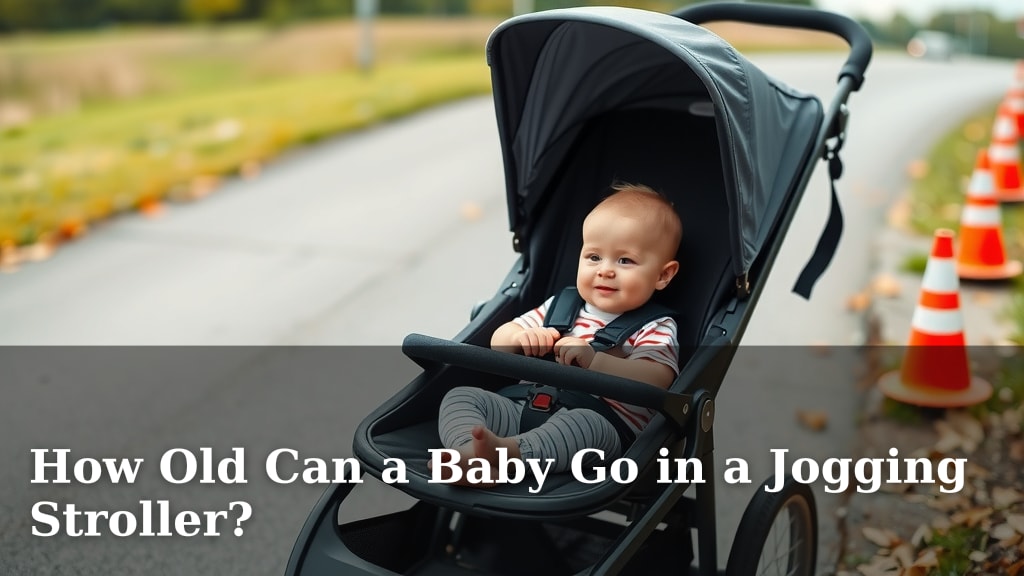
Yes, babies can ride in a jogging stroller fairly early, often as young as 6 months old, provided they can **sit up unassisted** and wear a five-point harness. However, some experts recommend waiting until 8-12 months, especially for longer runs or rougher terrain. Always check your stroller’s specific guidelines.
Choosing the right time for your baby’s first jog is a big decision for active parents. It’s not just about the baby’s age, but also their physical development and the stroller’s features. Many parents wonder about the safest age to start, balancing their desire to stay active with their baby’s well-being and comfort.
- Generally, babies 6+ months can ride if they sit up well.
- Some experts suggest waiting until 8-12 months for better support.
- Always prioritize strollers with a secure five-point harness.
- Consider your baby’s development and the stroller’s design.
- Consult your pediatrician if you have specific concerns.
Let’s walk through the key factors to consider when deciding if your little one is ready for a jogging stroller adventure.
When Can Your Little One Join You on a Jogging Stroller?
Deciding when your baby is ready for a jogging stroller involves more than just looking at the calendar. You’re probably eager to get back to your fitness routine. It’s great you want to include your little one! We found that most pediatricians and stroller manufacturers agree that the core requirement is your baby’s ability to sit up unassisted.
This milestone typically happens around 6 months of age. Before this, a baby’s neck and core muscles aren’t strong enough to support themselves properly. This could lead to slouching, making breathing difficult, and potentially causing discomfort or injury. So, you’ll want to observe your baby’s development closely.
Key Developmental Milestones to Look For
Your baby’s physical readiness is the primary factor. Think of it like learning to walk; they need to be strong enough on their own. Here’s what to specifically look for:
Sitting Up Independently
This is the big one. Can your baby sit upright on their own for extended periods without tipping over? This shows they have developed the necessary head and trunk control. Many babies achieve this around 4 to 6 months, but it varies greatly. If your baby needs constant propping or gets tired quickly, they might not be ready.
Head and Neck Control
A baby who can hold their head up steadily is essential. This is crucial for absorbing shock and jiggles from the stroller. When you hold your baby, do they keep their head upright, or does it loll to the side? If they can keep their head stable, it’s a good sign.
Trunk Strength
Beyond just sitting, your baby needs a strong core. This helps them maintain an upright posture and absorb movement. A baby with good trunk strength can resist being thrown around by bumps on the path. You might notice this when they are playing on the floor or in their high chair.
Stroller Features for Safety and Comfort
The stroller itself plays a huge role in how early your baby can ride. Not all jogging strollers are created equal, and some are designed with newborns in mind, while others are for older babies.
The Five-Point Harness is Non-Negotiable
This is the most critical safety feature. A five-point harness secures your baby at the shoulders, hips, and between the legs. It prevents them from sliding down or slouching forward. If your stroller doesn’t have this, or if it feels flimsy, it’s not suitable for a baby who can’t hold themselves securely.
Recline Options and Support
For younger babies who might still be a bit wobbly, a stroller with a significant recline is a plus. Some jogging strollers offer near-flat recline positions, which can provide extra support for a baby still developing their sitting strength. Look for strollers that have padded seats and good lateral support to keep them snug and stable.
Suspension Systems
Jogging strollers are built to handle uneven terrain. A good suspension system absorbs bumps and vibrations, making for a smoother ride. This is vital for your baby’s comfort and safety. A smoother ride means less jarring for their developing spine.
Expert Recommendations and Age Guidelines
While 6 months is a common starting point, many experts suggest waiting a bit longer for optimal safety and comfort, especially for more intense activities.
The 6-Month Mark: Sitting Up is Key
As we mentioned, if your baby can sit up well without support, they generally meet the minimum age requirement for most jogging strollers. This is often the starting point recommended by many stroller manufacturers. You can start with short, flat walks on smooth paths to test the waters.
Waiting Until 8-12 Months: For Added Security
Many pediatricians and child development specialists recommend waiting until your baby is between 8 to 12 months old. At this age, their trunk and neck muscles are even stronger, providing better stability. This is especially true if you plan on doing longer runs, running on varied terrain, or if your baby is on the smaller side.
We found that some sources suggest that babies under 12 months should ideally be in a stroller that offers multiple recline positions, ideally allowing for a semi-reclined position, to ensure proper breathing and comfort. For instance, the American Academy of Pediatrics (AAP) provides general guidelines on safe sleep and infant positioning, which can be applied here, emphasizing maintaining an open airway.
When to Consider Waiting (Or Consulting Your Doctor)
There are times when even if your baby is 6 months old, you might want to hold off on the jogging stroller. Every baby is different, and your pediatrician is your best resource for personalized advice.
Premature Babies or Babies with Health Concerns
If your baby was born prematurely or has any underlying health conditions, it’s crucial to consult your doctor before using a jogging stroller. They can provide specific guidance based on your baby’s individual development and health status. Your doctor might recommend waiting longer or ensuring specific safety precautions are taken.
Baby’s Temperament and Comfort Level
Pay attention to your baby! Do they seem happy and secure in the stroller, or do they seem fussy and overwhelmed? Some babies might be more sensitive to movement or new experiences. If your baby dislikes the stroller, forcing the issue might make outings stressful for everyone. You can try shorter durations or different times of day.
What the Experts Say About Terrain and Speed
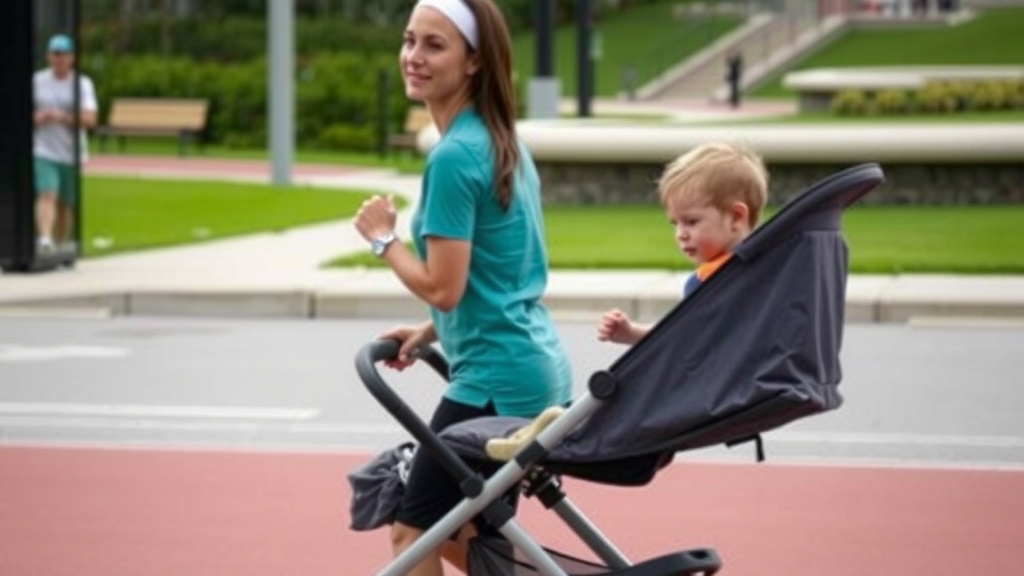
The type of running you do matters. Short, leisurely strolls on paved paths are different from long, intense trail runs. For rougher terrain or higher speeds, a baby with stronger core strength and better balance will be more comfortable and safe. Many experts advise starting slowly and gradually increasing distance and speed as your baby gets older and more robust.
Your Pre-Jogging Stroller Checklist
Ready to take the plunge? Before your first jog, run through this quick checklist:
- Baby can sit up completely unassisted for at least 10-15 minutes.
- Baby has good head and neck control, with minimal head lag.
- You have a stroller with a secure five-point harness.
- The stroller offers good padded support and a decent recline.
- Your baby seems comfortable and content in the stroller for short periods.
- You’ve cleared it with your pediatrician if you have any doubts or concerns.
Conclusion
You’ve learned that getting your baby into a jogging stroller is more about their development than just their age. Prioritizing their ability to sit up unassisted, along with good head and neck control, is key. Always ensure your stroller has a secure five-point harness and offers comfortable support. Remember, short, smooth rides are a great way to start.
When you feel your little one is ready and you’ve checked your stroller’s features, it’s time to plan your first outing. Always consult your pediatrician if you have any health-related questions about your baby’s readiness. Happy jogging!
Frequently Asked Questions
Is a 4-month-old too young for a jogging stroller?
Generally, a 4-month-old is too young for a jogging stroller. Babies at this age typically lack the necessary head, neck, and trunk control to sit up unassisted. Most experts and manufacturers recommend waiting until at least 6 months, when babies usually develop these core strengths.
Can my baby use a jogging stroller if they can’t sit up completely alone?
No, your baby should not use a jogging stroller if they cannot sit up completely unassisted. This ability indicates they have developed enough core and neck strength to maintain an upright position and absorb movement safely. Using a jogging stroller before this milestone can put your baby at risk.
What if my baby was born prematurely? Should I wait longer for a jogging stroller?
If your baby was born prematurely, it’s highly recommended to consult with your pediatrician before using a jogging stroller. Premature babies may need additional time to reach developmental milestones, and your doctor can provide personalized advice based on your baby’s specific health and development.
How often should I take breaks on a jogging stroller ride?
Even when your baby is ready, it’s wise to take breaks on longer jogging stroller rides. Listen to your baby for signs of discomfort or fatigue. For rides longer than 30-45 minutes, consider a short stop to check on your baby, adjust their position, or offer a snack or drink if they are old enough.
Can my baby nap in a jogging stroller while I run?
Yes, many jogging strollers offer recline features that allow for napping. Ensure the stroller reclines enough to keep your baby’s airway open and supported, especially if they are still quite young. Always check that the harness is securely fastened, even when they are sleeping.
![10 Best Two Baby Stroller [2026]](https://bestbabystrollerjudge.com/wp-content/uploads/2026/08/10-best-two-baby-stroller-2026-featured-768x432.jpg)
![10 Best Baby Stroller Car Seat Travel System [2026]](https://bestbabystrollerjudge.com/wp-content/uploads/2026/08/10-best-baby-stroller-car-seat-travel-system-2026-featured-768x432.jpg)