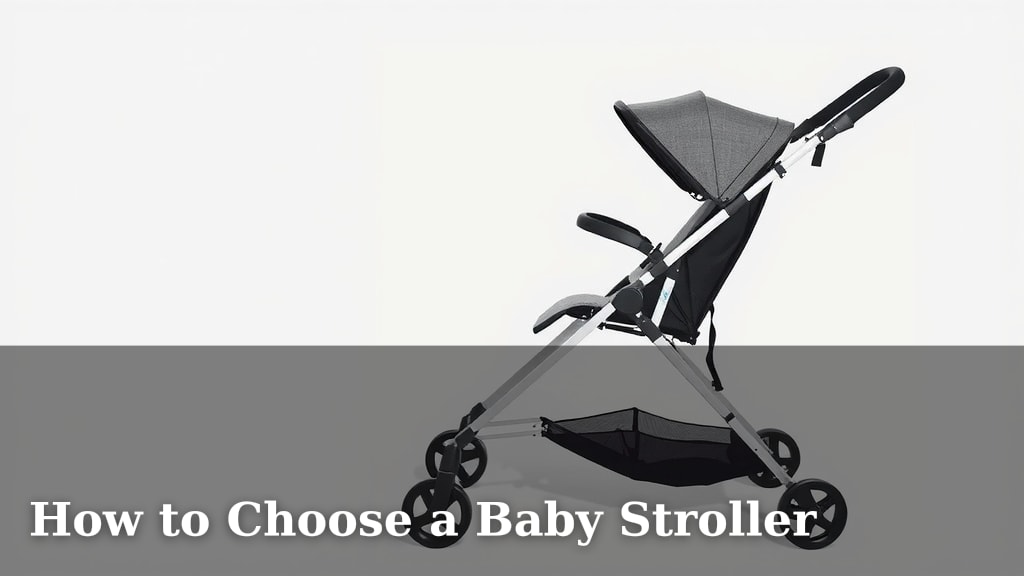
How to Choose a Baby Stroller
Choosing the right baby stroller can feel like a big decision. You want something safe, comfortable, and easy to use for your little one. To pick the best stroller for your family, consider your lifestyle, budget, and how often you’ll use it. Think about whether you need it for quick errands, long walks, or travel.
There are many types of strollers available today. From lightweight umbrella strollers to robust all-terrain models, each offers unique benefits. We found that understanding the different features, like maneuverability and storage space, can greatly simplify your choice. Your daily routine should guide your decision.
- Think about your everyday activities.
- Consider your budget and desired features.
- Compare different stroller types like travel systems or lightweight options.
- Look at storage needs and ease of folding.
Let’s walk through exactly how to choose the perfect stroller for you and your baby.
Navigating the Stroller Maze: Finding Your Perfect Ride
Selecting the right stroller is a big step for any parent. It’s your trusty sidekick for errands, park visits, and those spontaneous adventures. You want something that fits your life, not the other way around. We found that thinking about your daily routine is the first key.
Understand Your Lifestyle Needs
Your everyday activities will heavily influence your stroller choice. Are you a city dweller who navigates crowded sidewalks? Or perhaps you’re an outdoor enthusiast who loves hitting nature trails? Let’s break down how your lifestyle shapes your decision.
The Urban Navigator
If you live in a busy city, you’ll likely need a stroller that’s lightweight and compact. Maneuverability is king here. Think about narrow aisles in shops and tight turns. A stroller with a smaller footprint and swivel wheels will make your life much easier. You’ll also want something that folds easily for public transport or stowing in a small apartment. We found that many city parents prioritize ease of folding and a slim profile.
The Suburban Explorer
For suburban families, your needs might be a bit different. You might have more space for a larger stroller. Smooth sidewalks and park paths are common. This means you might not need the ultra-light option. Consider a stroller with a bit more storage for shopping bags or extra gear. We’ve seen that parents in these areas often appreciate a good balance of comfort and convenience.
The Active Adventurer
If you plan on jogging or hiking with your baby, you’ll need an all-terrain stroller. These are built for rougher paths. They typically have larger, air-filled tires. They also offer better suspension for a smoother ride on uneven ground. Safety is a top concern here, so look for features like a hand brake and a secure harness. Many experts suggest that these strollers provide the most comfortable ride for baby on bumpy trails (Cleveland Clinic).
Key Stroller Features to Consider
Beyond lifestyle, several features can make or break your stroller experience. It’s not just about how it looks; it’s about how it performs. We found that understanding these components helps narrow down your options significantly.
Weight and Foldability
Think about how often you’ll be lifting the stroller. Into a car trunk? Up apartment stairs? A lighter stroller is easier to manage. Foldability is also critical. Does it fold with one hand? Is it a compact fold for storage? Some strollers fold flat, while others stand on their own. Researching these aspects can save you a lot of hassle later.
Storage and Accessories
You’ll be surprised how much stuff a baby needs. Diaper bags, snacks, toys, shopping bags – it all adds up. Check the under-seat storage basket size. Some are huge, others are tiny. Also, consider stroller accessories like cup holders, snack trays, or a parent organizer. These little additions can make outings much more pleasant.
Wheels and Suspension
The type of wheels affects maneuverability and ride comfort. Plastic wheels are lightweight and good for smooth surfaces. Air-filled or foam-filled tires offer a smoother ride over bumps and are common on jogging strollers. Good suspension helps absorb shocks, keeping your baby comfortable and asleep, even on rough terrain. We found that suspension is often overlooked but makes a big difference.
Safety Features
This is non-negotiable. Always look for a secure 5-point harness. This keeps your baby snug and safe. A good brake system is also vital. Whether it’s a foot brake or a hand brake, ensure it’s easy to engage and disengage. Check for certifications like the ASTM standards for stroller safety. These are important guidelines to follow (CDC).
Types of Strollers Explained
The market is full of different stroller types, each designed for specific needs. It can be overwhelming, but understanding the main categories will help you find the right fit. We’ve broken down the most common types for you.
Full-Size Strollers
These are your workhorses. They offer a good balance of features and comfort. They often come with ample storage and can handle various terrains. While not the lightest, they provide a smooth ride and plenty of amenities for you and your baby. Many families find these suitable for everyday use.
Lightweight/Umbrella Strollers
Perfect for travel or quick trips. These are incredibly easy to fold and carry. They don’t offer as much cushioning or storage as full-size models. However, their portability is a major advantage. If you fly often or just need something for short outings, this is a great option.
Travel Systems
These combine an infant car seat with a compatible stroller. The car seat clicks directly onto the stroller frame. This is super convenient for newborns. You can move your sleeping baby from the car to the stroller without waking them. We found that parents often love the ease of transitioning with travel systems.
Jogging Strollers
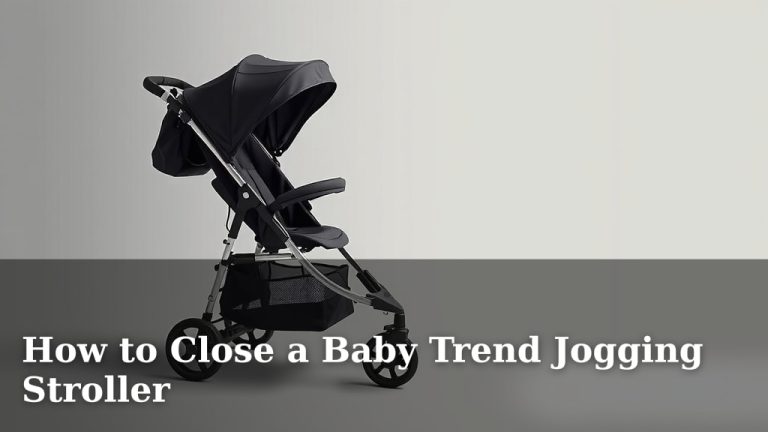
Designed for speed and stability on rough surfaces. They typically have three large wheels and advanced suspension. These are ideal for active parents who want to run or hike. Make sure it has a secure harness and a wrist strap for safety. Many sources confirm these are best for athletic parents (NIH).
Double Strollers
If you have twins or two children close in age, a double stroller is a must. They come in two main configurations: tandem (one seat behind the other) or side-by-side (seats next to each other). Tandem models are often narrower but can be longer. Side-by-side models are wider but can be easier to maneuver. Consider which layout best suits your paths and doorways.
Your Stroller Checklist
Ready to make your choice? Here’s a quick rundown to keep you on track:
- Does it fit your primary lifestyle (city, suburbs, trails)?
- Is it easy to fold and lift?
- Is there enough storage space for your essentials?
- Are the safety features robust (harness, brakes)?
- Will the wheels and suspension provide a comfortable ride?
- Does it fit your budget and aesthetic?
Conclusion
Choosing your baby’s stroller doesn’t have to be overwhelming. You’ve learned how to match stroller features to your lifestyle, whether you’re navigating city streets or hitting hiking trails. Remember to prioritize safety, ease of use, and comfort for both you and your little one. We found that considering storage and foldability makes everyday life so much easier. Now, take this knowledge and confidently find the perfect stroller that will be your reliable companion for countless adventures to come. Your next step? Make a list of your top 3 must-have features and start comparing models!
Frequently Asked Questions
How do I know if a stroller is too heavy for me to lift?
Consider how often you’ll need to lift it, like into a car trunk or up stairs. Most strollers list their weight, and we found that anything over 25 pounds can feel quite heavy for frequent lifting. Look for models with a compact fold, as they are often lighter.
Can I use a stroller for a newborn if it’s not a travel system?
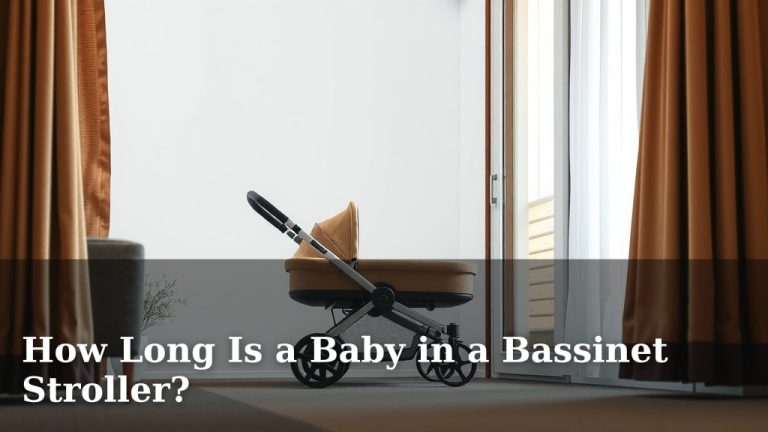
Yes, many full-size and some lightweight strollers are designed for newborns. Look for strollers that recline fully flat or have bassinet attachments available. These create a safe, cozy environment for infants who can’t yet sit up.
What’s the difference between a tandem and a side-by-side double stroller?
Tandem double strollers have seats one behind the other, making them narrower but potentially longer. Side-by-side strollers have seats next to each other, offering equal visibility but a wider profile. We found that doorway width is a key factor in this choice.
Do I really need suspension on a stroller?
Suspension is especially beneficial if you plan on walking on uneven surfaces like sidewalks with cracks, gravel paths, or trails. It absorbs bumps, providing a much smoother and more comfortable ride for your baby, helping them sleep better.
How much storage is usually enough in a stroller?
Think about what you typically bring on outings: diaper bags, snacks, water bottles, toys, and perhaps a few shopping items. We found that a large, easily accessible under-seat basket is a lifesaver. Some strollers also offer convenient parent consoles or large pockets.
![10 Best Baby Stroller Sage Green [2026]](https://bestbabystrollerjudge.com/wp-content/uploads/2026/08/10-best-baby-stroller-sage-green-2026-featured-768x432.jpg)