
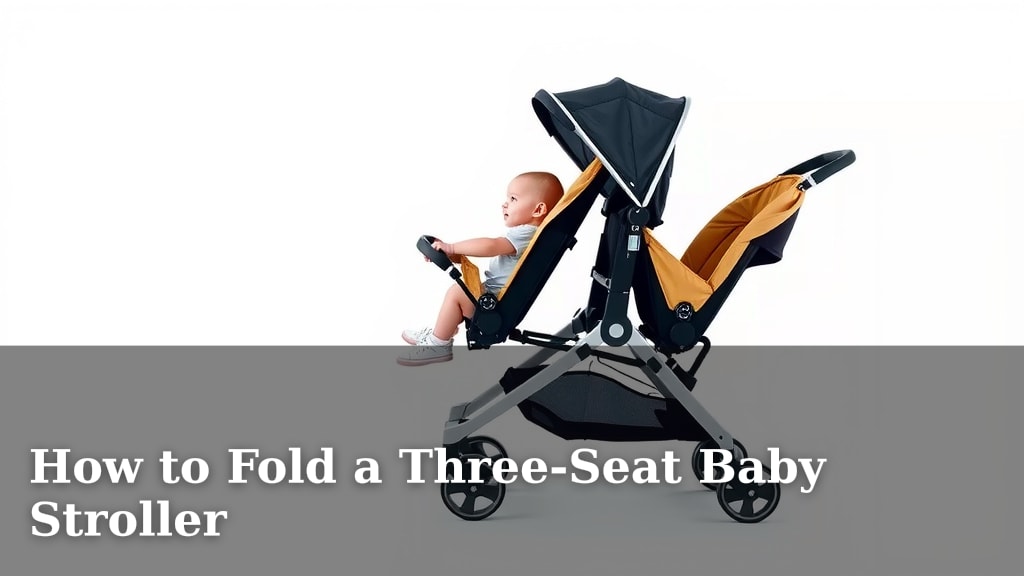
How to Fold a Three-Seat Baby Stroller
Folding a three-seat baby stroller is simpler than you might think, often involving a few key steps like **disengaging locks** and **collapsing the frame**. Most models are designed for **easy storage** and transport. You’ll find that once you do it a couple of times, it becomes second nature.
Having a stroller that folds down easily is a real lifesaver for busy parents. It means you can **fit it into your car trunk** without a struggle or easily **carry it up stairs**. We know juggling multiple children and bulky gear can be tough, so a well-folding stroller makes a big difference in your day.
- Locate the main folding **release levers**.
- Gently **push or pull** to collapse the frame.
- Secure the stroller once it’s folded.
- Check your stroller’s manual for specific steps.
Let’s walk through exactly how to fold your three-seat baby stroller step by step, making life a little easier for you and your little ones.
Folding Your Triple-Seat Stroller with Ease
So, you’ve got a fantastic three-seat stroller, perfect for managing your trio of little ones. Now comes the part that might seem a little daunting: folding it up for storage or to pop it in the car. Don’t worry, it’s usually much simpler than it looks. Most manufacturers design these strollers with parents in mind, aiming for a quick and easy fold. We’re here to guide you through the process, making it feel like second nature in no time.
Preparing Your Stroller for Folding
Before you even think about collapsing the frame, there are a few quick checks that can make the entire process smoother. Think of this as getting your car ready for a parking job – a quick look around helps avoid bumps!
1. Clear Out Any Debris and Accessories
First things first, check if there are any toys, blankets, or bags tucked away in the seats or the storage basket underneath. These items can get in the way and might even prevent the stroller from folding properly. Gently remove everything, placing it aside for now. You’ll reattach or repack them later.
2. Secure Loose Straps and Canopies
Look at the harnesses for each seat. Make sure they are loosened and not tangled. Also, check the canopies. Some canopies can be detached or retracted. If yours can be pulled back or removed, do so now. This prevents snagging and keeps things tidy during the fold.
3. Engage the Brakes
This is a really important step for safety. Before you start folding, make sure the brakes are firmly engaged. You’ll usually hear or feel a distinct “click” when they are locked. This stops the stroller from rolling away while you’re working on the frame. It’s a small step that offers big peace of mind.
The Folding Mechanism: Finding the Release
Every stroller has a specific way it folds, but the principle is generally the same: find the release mechanism and activate it. Think of it like a puzzle; once you find the right pieces, the rest falls into place.
Locating the Folding Levers or Buttons
Most triple strollers have folding levers or buttons located on the handlebar or the frame itself. You might have one main lever or a combination of buttons you need to press simultaneously. Check the handlebar first, as this is the most common spot. Sometimes, they are color-coded, often in red or grey, making them easier to spot.
If you’re having trouble finding them, don’t hesitate to look for little icons or diagrams on the stroller frame itself. These often give a clue as to where the folding points are. We found that a quick glance at the original manual, even if you think you know it, can reconfirm the exact location.
Understanding Different Folding Styles
While the general idea is to collapse, the specific motion can vary. Some strollers fold forwards, while others fold backward. Some might fold in half, others into thirds. Knowing your stroller’s specific fold type helps you apply the right pressure in the right direction.
Forward vs. Backward Fold
A forward fold often means the stroller collapses towards the front, while a backward fold moves it towards the rear. You’ll usually see this reflected in how the frame articulates when you activate the release. The key is to observe the frame’s natural movement once you start.
One-Handed vs. Two-Handed Folds
Many modern strollers are designed for a one-handed fold, which is a lifesaver when you’re holding a baby or a bag. Others might require a bit more coordination, perhaps needing you to press a button with one hand while pulling a lever with the other. Research and found that manufacturers often highlight the ease of fold, so if it says “one-handed,” expect it to be pretty simple.
Executing the Fold: Step-by-Step
Now, let’s get to the actual folding. Remember to be gentle but firm. You’re not forcing anything; you’re guiding it.
Step 1: Activate the Release Mechanism
With the brakes on and everything cleared, find your primary folding release. This might be a button, a lever, or a combination. Push or pull it as indicated. You might need to use your foot or your hand, depending on the design. Listen for a distinct clicking sound, which usually means the locking mechanism has disengaged.
Step 2: Collapse the Frame
Once the release is activated, the stroller should start to fold. Guide it gently. For most models, you’ll push down on the handlebar or pull a specific part of the frame. The goal is to bring the sides of the stroller closer together. It should feel like you’re encouraging it to bend in the middle or collapse inwards.
Don’t force it if it feels stuck. Re-check the release levers and ensure nothing is obstructing the fold. Sometimes, a small adjustment of the frame can help it move more freely. We found that tilting the stroller slightly can sometimes help gravity assist the folding motion.
Step 3: Secure the Folded Stroller
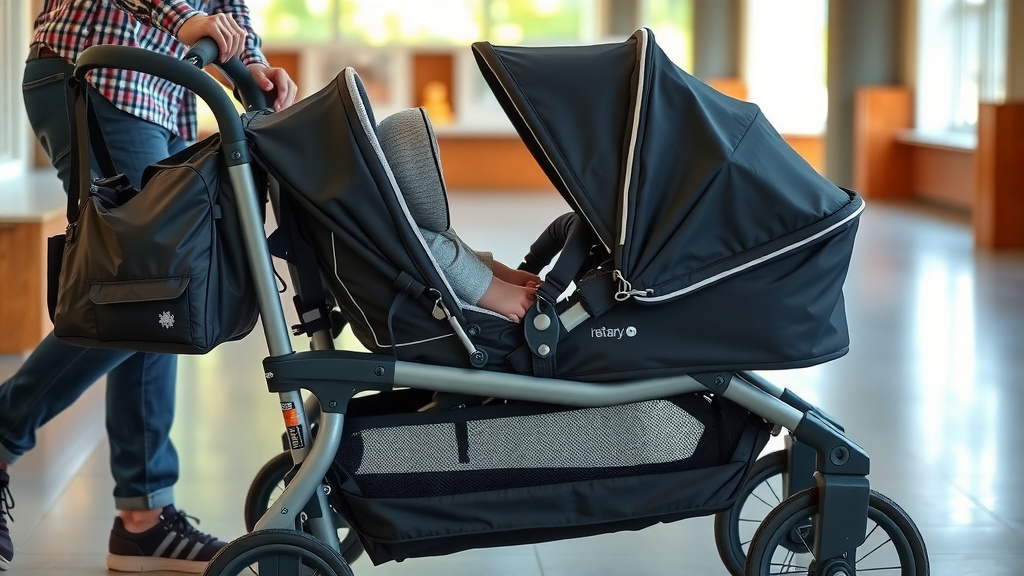
Most triple strollers have a locking mechanism that keeps them folded shut. This is usually a clip or a hook on the side of the frame that engages automatically or that you manually secure. This prevents the stroller from popping open unexpectedly when you’re carrying it or storing it. Make sure this lock clicks firmly into place.
Post-Folding Checks and Storage Tips
You’ve successfully folded your stroller! Now, let’s make sure it’s ready for its next outing.
Confirming the Lock is Engaged
Give the folded stroller a gentle shake. Does it stay put? If the locking mechanism is secure, it won’t unfold. This is the final safety check before you move it. It’s like double-checking you’ve locked your car doors; better safe than sorry!
Standing or Laying Flat
Some strollers are designed to stand upright on their own once folded, which is super convenient for tight spaces. Others might need to be laid flat. Check your stroller’s design. If it stands, find a corner where it can rest easily. If it lays flat, ensure there’s enough room in your trunk or closet.
Storing for Transport
When placing it in your car, try to position it so it won’t shift around too much. If you have blankets or pads, you can use them to prevent scratches on your car’s interior or the stroller itself. For home storage, a garage, basement, or even a spacious closet works well.
Troubleshooting Common Folding Issues
Even with the best designs, sometimes things don’t go perfectly. Don’t get discouraged if your stroller doesn’t fold on the first try.
Stroller Won’t Collapse
If the frame feels stiff or won’t budge, the most common culprit is a partially engaged lock or an obstruction. Double-check all the release levers and ensure they are fully activated. Also, re-inspect the frame and fabric for anything caught in the joints.
Fold Lock Won’t Engage
If the stroller folds but the lock won’t secure, it could be misaligned. Try slightly unfolding and refolding the stroller, paying attention to how the locking parts come together. Sometimes, a little wiggle is all it needs. If it persists, consult your manual or manufacturer for potential fixes.
Consulting Your Manual is Key
We found that every stroller model is a bit unique. Your stroller’s instruction manual is the ultimate guide. It will have specific diagrams and steps tailored to your exact model. If you’ve lost yours, a quick search on the manufacturer’s website should provide a downloadable PDF.
Checklist for a Smooth Fold
- Brakes are firmly engaged.
- All seats and storage are clear of items.
- Harnesses are loosened and not tangled.
- Folding levers/buttons are fully activated.
- Frame collapses smoothly without force.
- Locking mechanism secures the fold.
Conclusion
You’ve got this! Folding your three-seat stroller doesn’t have to be a chore. By taking a moment to prepare your stroller, locate the right release points, and execute the fold with a gentle guiding hand, you’ll master it quickly. Remember to always secure the fold with the locking mechanism and do a quick check. Your ability to fold it efficiently means more time enjoying outings with your little ones and less time wrestling with gear. Take a moment after reading this to walk over to your stroller and practice the steps we’ve outlined. You’ll be a pro in no time!
Frequently Asked Questions
What if my stroller has two different levers to fold it?
Some triple strollers have a dual release mechanism for added safety. You might need to push a button with one hand while pulling a lever with the other. Check your stroller’s manual; it will show you the exact sequence required to disengage both parts for a successful fold.
Can I fold my stroller if my babies are still in it?
It is strongly recommended that you remove your children from the stroller before attempting to fold it. Folding mechanisms can involve sudden movements, and it’s essential for their safety that they are not in the stroller during this process.
My stroller is a bit heavy when folded, is that normal?
Yes, three-seat strollers are substantial by nature, so their folded weight will reflect that. While the folding action itself should be manageable, you can expect it to have some heft. Focus on using good posture and proper lifting techniques when moving the folded stroller.
How do I store the stroller if it doesn’t stand on its own?
If your stroller folds flat and doesn’t stand, you can lean it against a wall in your garage or closet. Ensure it’s stable and won’t easily tip over. You might also consider placing it in a stroller bag for added protection during storage and transport.
What if the frame feels stiff and won’t collapse smoothly?
A stiff frame usually means something is obstructing the fold or a lock isn’t fully disengaged. Double-check that all straps are out of the way and that the primary folding levers are completely activated. Sometimes, gently wiggling the frame can help free up stuck joints.

![10 Best Baby Stroller Sage Green [2026]](https://bestbabystrollerjudge.com/wp-content/uploads/2026/08/10-best-baby-stroller-sage-green-2026-featured-768x432.jpg)

![10 In 1 Baby Stroller [2026]](https://bestbabystrollerjudge.com/wp-content/uploads/2026/09/10-in-1-baby-stroller-2026-featured-2-768x432.jpg)