How Big Does a Baby Need to Be for a Jogging Stroller?
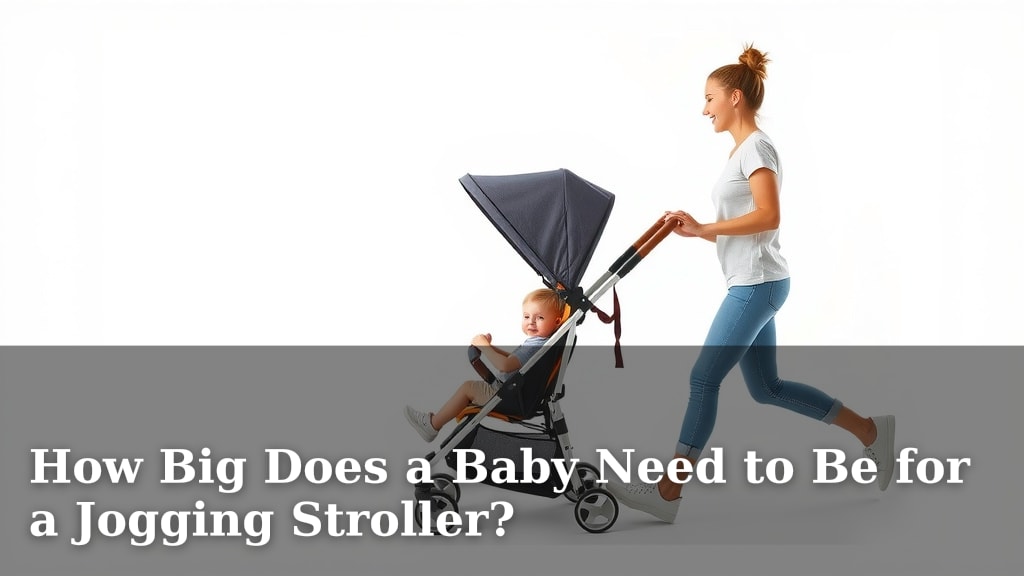
Many parents wonder, “How big does a baby need to be for a jogging stroller?” Generally, babies must be at least 6 months old to ride in a jogging stroller. This is because infants lack the neck strength needed for the bouncing motion. Always check your specific stroller’s manual for age and weight requirements.
Safety is the top priority when jogging with your little one. While many strollers have recline options, they are often not suitable for newborns. Waiting until your baby has developed sufficient head and neck control is a common recommendation. Some specialized infant inserts might allow younger babies, but this isn’t the norm for standard jogging models.
- Babies usually need to be 6 months old.
- They must have good head and neck control.
- Always check your stroller’s specific guidelines.
- Newborns are generally too young for jogging strollers.
- Infant inserts are sometimes an option but not always recommended.
We know you’re eager to get back to your fitness routine. Below, we’ll break down the key age and development milestones to consider for jogging stroller safety.
“`htmlGetting Your Baby Ready for a Jogging Stroller
So, you’re ready to hit the pavement with your little one in tow? That’s fantastic! Getting back into your fitness routine after having a baby is a great goal. But when can your tiny passenger actually join you on those faster adventures? The general rule of thumb is that babies need to be at least **6 months old** before they can safely ride in a jogging stroller. This isn’t just an arbitrary number; it’s all about your baby’s **physical development**.
Why the Age Restriction? It’s All About That Neck!
Think about a newborn. Their head is quite large compared to their body, and their neck muscles are still developing. They can’t hold their head up steadily on their own. Now, imagine the bouncy, jarring motion of jogging. Without strong neck and core muscles, a baby’s head and body could be jostled around quite a bit. This can be **uncomfortable and potentially unsafe** for them.
Many pediatric experts, including those at the American Academy of Pediatrics, recommend waiting until a baby has developed good **head and neck control** before exposing them to the more vigorous motion of a jogging stroller. This usually happens around the 6-month mark, but every baby develops at their own pace.
Head and Neck Control: The Key Milestone
How do you know if your baby has this crucial control? You’ll notice they can hold their head up quite steadily when you’re holding them or when they’re sitting upright. They can turn their head from side to side and up and down without wobbling. If your baby can **push themselves up** with their arms when lying on their tummy, that’s another great sign of developing core and neck strength.
If you’re unsure, it’s always best to **consult your pediatrician**. They can assess your baby’s development and give you personalized advice on when it’s safe to introduce a jogging stroller.
Understanding Jogging Stroller Safety Guidelines
Jogging strollers are built differently than regular strollers. They typically have larger wheels, suspension systems, and a design that’s meant for speed and rougher terrain. Because of this, the safety guidelines can be a bit more specific. Always, always check the **manufacturer’s manual** for your specific jogging stroller. This is your primary source for information.
Manufacturer’s Recommendations Are Your Best Friend
Stroller companies conduct their own safety testing. They know their products best. You’ll find information on minimum age, maximum weight, and even how the harness system should fit. Some strollers might have slightly different recommendations, so treating each one as unique is wise. A common minimum age you’ll see is **6 months**, but some might say 8 or even 12 months depending on the model and its features.
The weight limit is also very important. Exceeding it can affect the stroller’s performance and safety. Make sure you know your baby’s weight and the stroller’s maximum capacity. We found that most jogging strollers have weight limits that babies will outgrow long after they are old enough to ride in them.
What About Newborns and Infant Inserts?
The short answer is: **newborns are generally not safe** in jogging strollers. Their underdeveloped bodies can’t handle the motion. You might see some jogging strollers advertised as being suitable from birth, often with a special adapter for an infant car seat or a bassinet attachment. While these can technically allow a very young baby to ride along, it’s important to understand the nuances.
When using a car seat adapter, the baby is still strapped into the car seat, which offers some support. However, jogging with a car seat attached can be **difficult and strenuous** for the parent due to the added weight and different balance point. Many experts suggest avoiding jogging altogether until the baby has adequate head and neck control, even when using these accessories.
If you’re considering an infant insert, be sure it’s specifically designed for your jogging stroller model and approved by the manufacturer. These inserts provide extra padding and support for younger babies. Still, the 6-month rule for independent head control is the most common and widely recommended safety benchmark.
A Checklist for Your Jogging Stroller Readiness
Wondering if your little one is ready? Run through this quick checklist:
- Can your baby sit up unassisted for at least a few minutes?
- Does your baby have strong head and neck control?
- Can your baby hold their head up steadily when you’re holding them?
- Is your baby at least 6 months old? (This is a common guideline!)
- Have you checked your specific stroller’s manual for age and weight requirements?
- Does your pediatrician give you the green light?
When Can You Start Jogging? The Doctor’s View
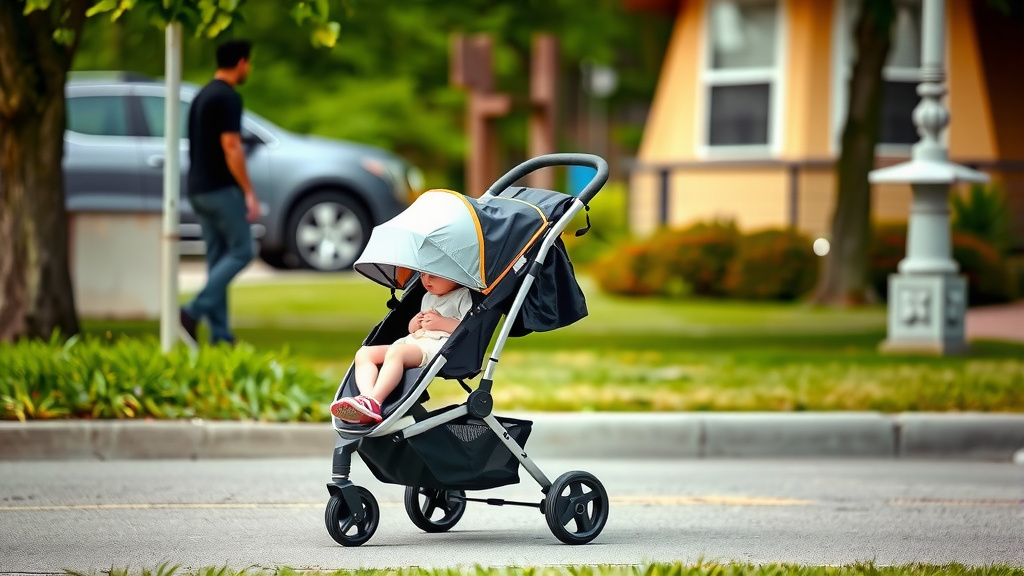
Your pediatrician is a fantastic resource when you have questions about your baby’s health and readiness for activities like jogging. They have seen countless babies grow and develop. They can assess your baby’s specific milestones and offer personalized advice. Don’t hesitate to bring this question up at your baby’s next check-up. They can confirm if your baby’s **physical development** aligns with the requirements for a jogging stroller.
Considering Different Stroller Types
It’s worth noting that not all strollers are created equal. A standard, everyday stroller is designed for smooth surfaces and leisurely walks. A jogging stroller, however, is built for speed, stability, and handling bumps. This difference in design is precisely why the age and development requirements are more stringent for jogging models. They are engineered for a different type of movement.
| Developmental Stage | Neck & Head Control | Suitability for Jogging Stroller | Notes |
|---|---|---|---|
| Newborn (0-3 months) | Very limited; requires full support | Generally NOT suitable; use car seat adapter if available and approved, but avoid actual jogging. | Focus on gentle walks in a standard stroller. |
| Infant (3-6 months) | Developing; can hold head up for short periods | May be suitable with specific inserts or car seat adapters, but check manual. Still cautious. | Avoid rough terrain or fast speeds. |
| Older Infant (6+ months) | Good to excellent; can hold head up steadily | Generally suitable, provided weight and height limits are met. | This is the typical age recommendation for comfortable and safe rides. |
This table gives you a general idea, but always remember to **prioritize your baby’s individual development** and your stroller’s specific guidelines.
Making the Transition Smoothly
Once your baby meets the criteria, ease into it. Start with shorter, slower jogs on smooth paths. Pay attention to how your baby reacts. Are they comfortable? Do they seem happy? Gradually increase the duration and intensity of your runs as both you and your baby get used to the rhythm. A happy baby means a happier jog for you!
“`Conclusion
Getting back to your fitness routine with your baby is an exciting goal. Remember, the key to safe jogging stroller use is waiting until your baby has developed sufficient head and neck control, typically around 6 months of age. Always consult your stroller’s manual for specific guidelines. Your pediatrician is also a great resource to confirm your baby’s readiness. Prioritize your baby’s safety and development, and soon you’ll both be enjoying those miles together!
Frequently Asked Questions
Can I use a jogging stroller for a newborn if I buy a special insert?
While some specialized inserts or car seat adapters might be available for newborns, most pediatricians and manufacturers recommend waiting until your baby is at least 6 months old. This is because even with an insert, the motion of jogging can be too jarring for an infant’s underdeveloped neck and spine.
How do I know for sure if my baby has enough head and neck control?
You’ll know your baby has good head and neck control when they can hold their head up steadily on their own for an extended period. They should be able to look around, turn their head, and not have it loll forward or backward when you hold them upright or when they are sitting.
Are all jogging strollers the same regarding age recommendations?
No, not all jogging strollers are the same. While the general recommendation is 6 months due to infant development, each manufacturer has its own safety testing and guidelines. Always check the specific manual for your model, as some might have slightly different age or weight restrictions.
What if my baby meets the age requirement but is still a bit wobbly?
If your baby is around 6 months but still seems a bit unsteady or unable to hold their head up consistently, it’s best to wait a bit longer. Focus on continued tummy time and supported sitting practice. Trust your gut and consult your pediatrician if you have any doubts about their readiness.
Can I jog on uneven trails once my baby is old enough for the stroller?
While jogging strollers are designed for varied terrain, you should always start on smoother surfaces. Once your baby has good head and neck control and is comfortable, you can gradually introduce them to slightly more varied paths. However, always remain aware of the bumps and jolts, and monitor your baby for any signs of discomfort.

![10 Best Airline Baby Stroller [2026]](https://bestbabystrollerjudge.com/wp-content/uploads/2026/09/10-best-airline-baby-stroller-2026-featured-768x432.jpg)