
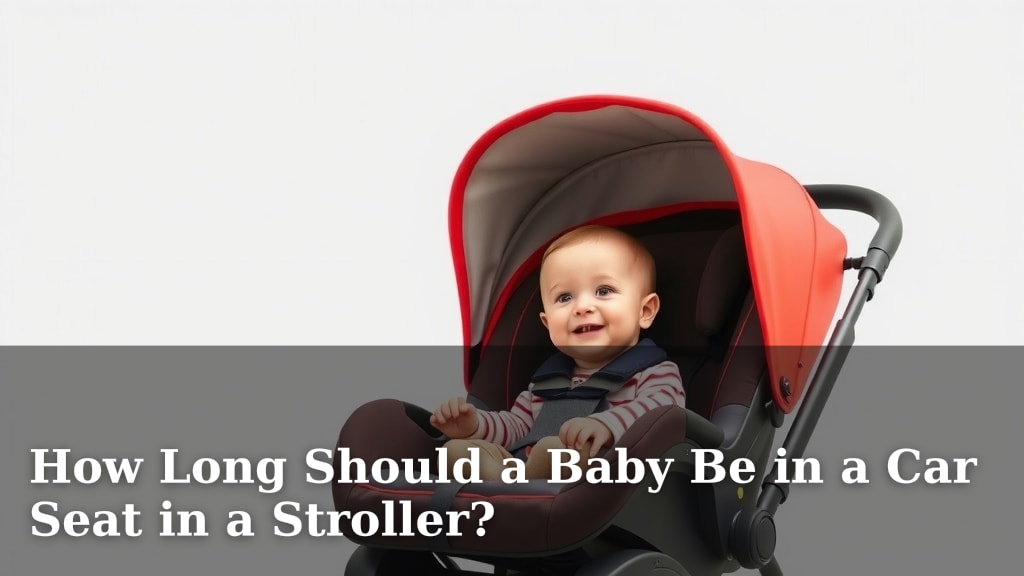
How Long Should a Baby Be in a Car Seat in a Stroller?
While it might seem convenient, you should generally avoid leaving your baby in a car seat attached to a stroller for extended periods. Most car seats are not designed for prolonged, upright infant sleep, and can pose breathing risks. It’s best to transfer your baby to a flat, safe sleeping surface as soon as possible.
Many parents wonder about the safety of stroller-attached car seats for longer naps or travel. Research and expert advice suggest that while these systems are great for quick errands, they aren’t ideal for extended lounging. We found that the slouching position can obstruct airways, which is a serious concern for little ones.
- Car seats are for travel, not long naps.
- Upright positions can make breathing harder for babies.
- Always move your baby to a flat surface for sleep.
- Check your car seat’s manual for specific guidelines.
- Look for strollers that lay completely flat for naps on the go.
So, let’s get into the details of why this matters and what your best options are for keeping your baby safe and comfortable, both in and out of the stroller.
Understanding Car Seat Use in Strollers
You might be wondering how long your baby can safely stay in their car seat when it’s attached to a stroller. It’s a common question for busy parents. We found that while car seat and stroller systems offer incredible convenience, they are not designed for extended periods of sleep or rest for your little one.
Why Extended Car Seat Time Can Be Risky
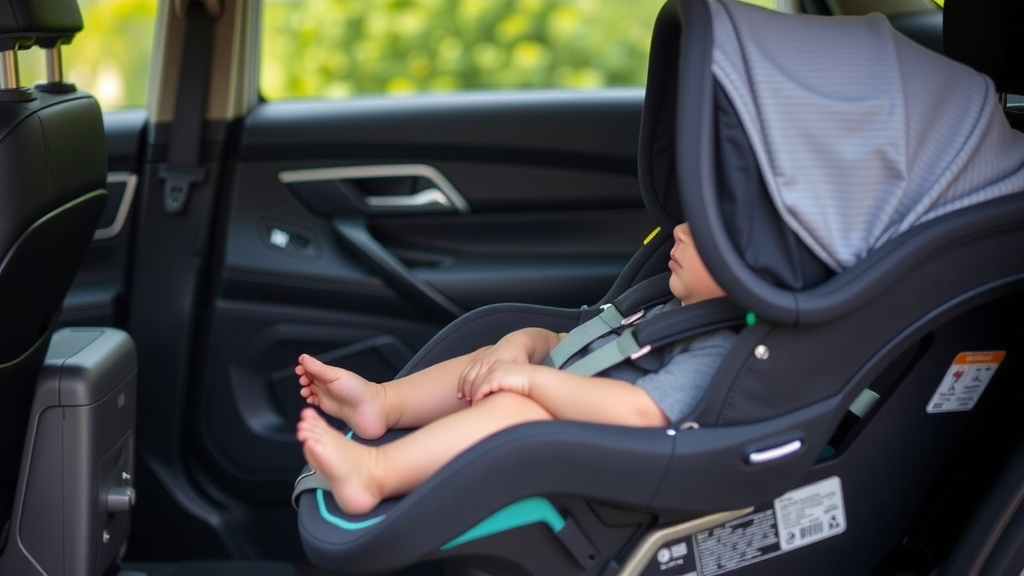
The main concern revolves around the slouching position that babies often adopt in car seats, even when reclined. This can put pressure on their developing airways. In this position, their chin can drop forward onto their chest. This can restrict airflow and make breathing more difficult for infants.
Research highlights that newborns, in particular, have weaker neck muscles. This makes it harder for them to hold their head up. They can easily slump into a position that obstructs their breathing. Experts, including those at the American Academy of Pediatrics, strongly advise against letting babies sleep in car seats for longer than necessary. This is true whether the car seat is in a car, a stroller, or anywhere else.
The Airway Obstruction Risk
Think of it like this: when your baby’s head lolls forward, their trachea (windpipe) can bend. This narrows the passage for air. For an adult, this might be uncomfortable. For a baby with a tiny airway, it can be a serious breathing hazard. This risk is even higher for premature babies or those with other health concerns.
Developmental Considerations
A baby’s spine and neck are still developing. A semi-upright or reclined position in a car seat, while safe for travel, doesn’t offer the proper support for natural, healthy development during long naps. A flat surface allows for the best spinal alignment and unrestricted breathing.
Guidelines for Safe Car Seat Use with Strollers
So, what’s the golden rule? We found that most experts agree car seats are primarily for transportation, not for long stretches of napping. You can use them for short durations when transitioning from one place to another. This includes quick trips to the grocery store or a short walk around the block.
Short Errands vs. Extended Naps
The key difference lies in the duration. If you’re popping into a shop for 15-20 minutes, it’s generally okay to keep your baby in their car seat attached to the stroller. They are secure and you can keep an eye on them. However, if you plan to be out for an hour or more, and your baby needs a substantial nap, it’s time to reconsider.
When to Transfer Your Baby
The best practice is to transfer your baby to a flat, safe sleeping surface as soon as possible. This means moving them from the car seat to a crib, bassinet, playard, or a stroller that reclines completely flat. This is especially important if they fall asleep in the car seat.
The “Move Them When You Get Home” Rule
Many parents adopt a simple rule: if your baby falls asleep in the car seat while you’re out, transfer them to a flat surface once you return home. This ensures they aren’t spending excessive time in the reclined car seat position. Even if you’re just home for a short period, moving them can make a big difference.
Choosing the Right Stroller for Naps on the Go
When you’re looking for a stroller, consider its ability to accommodate safe sleep. Not all strollers are created equal when it comes to napping needs.
Look for Full Recline Options
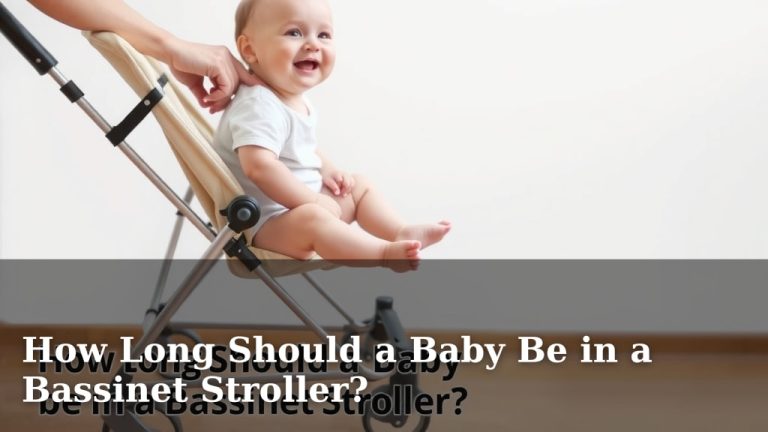
Many modern strollers offer a full recline option. This allows the stroller seat to lay almost completely flat, creating a safe space for your baby to sleep. These are often referred to as “bassinet-style” strollers or have seats that convert into a lie-flat position.
We found that this feature is a game-changer for longer outings. It means your baby can sleep comfortably and safely without being restricted by the car seat’s design. Always check the stroller’s specifications to confirm it offers a truly flat recline suitable for infants.
Understanding Stroller Weight Limits and Age Recommendations
It’s also wise to consider the stroller’s weight limits and age recommendations. While a car seat might be suitable from birth, a stroller’s lie-flat feature may have different guidelines. Always consult your stroller’s manual for the most accurate information.
The Car Seat Adapter vs. Built-in Bassinet
Some travel systems use car seat adapters, which are convenient but don’t change the fact that the car seat itself isn’t for long sleep. Other strollers have integrated bassinet attachments or seats that convert. We found that strollers with these built-in options often provide a more ergonomic and comfortable sleeping environment for longer periods.
Checklist for Safe Baby Napping On the Go
To help you remember the key points, here’s a quick checklist:
- Always check your car seat manual for specific guidelines on duration of use.
- Prioritize flat surfaces for any sleep longer than 30-60 minutes.
- Look for strollers with a full recline or bassinet option for naps.
- Never leave a baby unattended in a car seat, even when attached to a stroller.
- When in doubt, transfer your baby to a safe sleeping space once you reach your destination.
- Monitor your baby’s breathing and position, especially if they fall asleep in the car seat.
Conclusion
Remember, your baby’s car seat is a vital safety tool for travel, not a long-term sleeping solution. We found that keeping your little one in a car seat attached to a stroller for too long can pose breathing risks due to their position. Prioritize moving your baby to a flat, safe surface for naps, especially after returning home. Look for strollers that offer a full recline for comfortable, safe sleep on the go. Your baby’s health and development are worth these simple adjustments.
Frequently Asked Questions
How long is too long for a baby to sleep in a car seat on a stroller?
Most experts suggest limiting your baby’s sleep in a car seat to 30-60 minutes at a time. This is especially important if they fall asleep during travel. After this duration, their position can start to restrict airflow. Always aim to move them to a flat surface for longer naps.
Can my newborn sleep in a car seat attached to a stroller overnight?
Absolutely not. Newborns have weak neck muscles and are at higher risk for breathing issues. Car seats are not designed for unsupervised or overnight sleep. Always use a crib, bassinet, or playard for safe overnight sleep for your baby.
What should I do if my baby falls asleep in their car seat while in the stroller?
If your baby falls asleep in their car seat, transfer them to a flat, safe sleeping surface as soon as you can. This is ideal when you return home, even if it’s just for a short period. This ensures they aren’t left slouched for an extended time.
Are there strollers specifically designed for babies to sleep in for long periods?
Yes, many modern strollers offer a full recline feature, allowing the seat to lay almost completely flat. These are sometimes called bassinet-style strollers. This creates a safe and comfortable sleeping environment, much like a crib, for longer outings.
What are the main risks of babies sleeping in car seats for extended periods?
The primary risk is airway obstruction. When babies slouch, their chin can fall to their chest, narrowing their airway and making breathing difficult. This is particularly dangerous for newborns and premature infants. It can also impact healthy spinal development.
![10 Best Baby Jogging Stroller [2026]](https://bestbabystrollerjudge.com/wp-content/uploads/2026/08/10-best-baby-jogging-stroller-2026-featured-768x432.jpg)